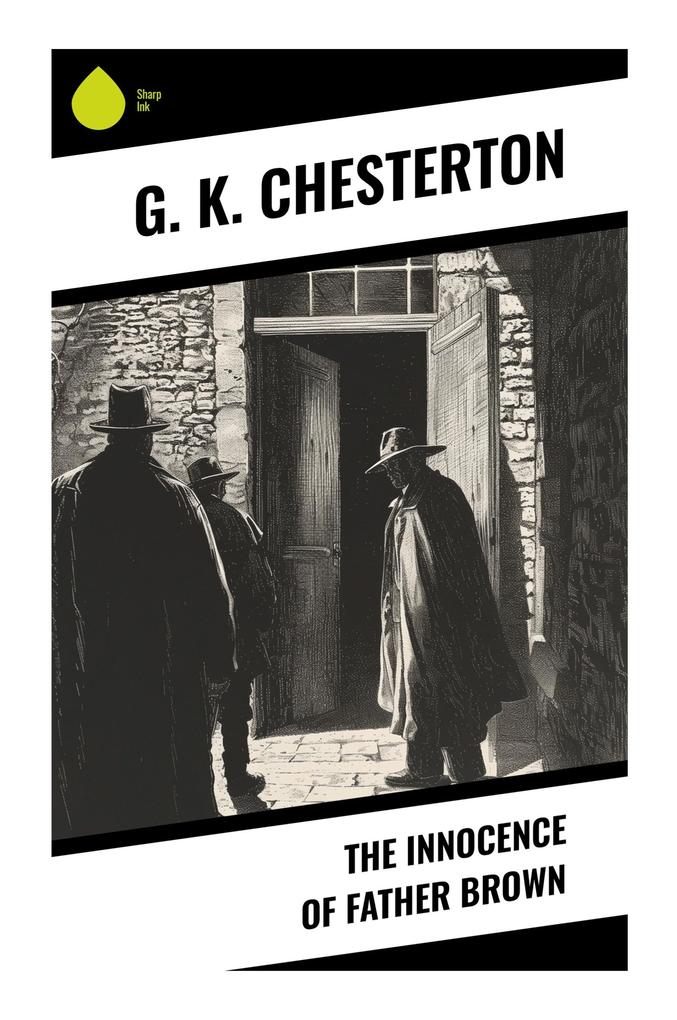
The Innocence of Father Brown (1911) gathers G. K. Chesterton's first stories featuring the apparently unworldly Roman Catholic priest-detective whose humility proves a subtler instrument than forensic brilliance. In tales such as "The Blue Cross" and "The Hammer of God," paradox, theological wit, and fairy-tale grotesquerie reshape the detective story, turning crime into a moral and metaphysical puzzle. Chesterton writes in a baroque, epigrammatic style, placing the collection within the Golden Age's prehistory while resisting mere puzzle-making through spiritual and psychological depth. Chesterton, journalist, critic, Christian apologist, and master of controversy, brought to fiction his lifelong fascination with orthodoxy, sin, wonder, and common sense. Father Brown was partly inspired by Father John O'Connor, whose knowledge of human frailty impressed Chesterton deeply. Unlike Sherlock Holmes, Brown solves mysteries not by detachment but by imaginative sympathy: he understands criminals because he understands temptation. This book is recommended to readers who value ingenious plots enriched by moral seriousness and stylistic brilliance. It remains essential for students of detective fiction, admirers of theological imagination, and anyone seeking mysteries that illuminate the soul as much as the crime.