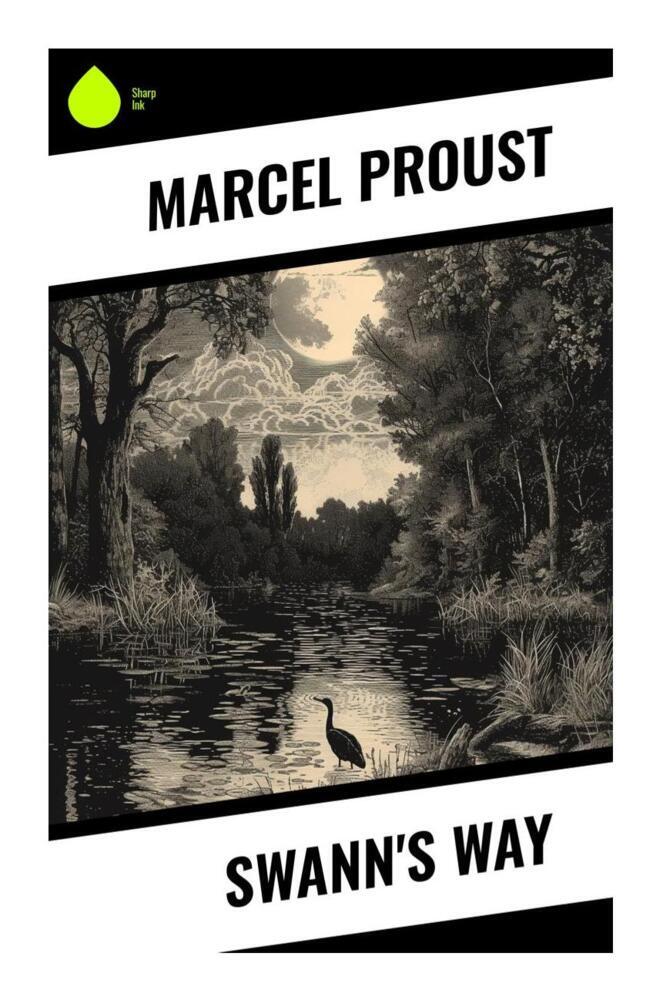
Swann's Way, the opening volume of Marcel Proust's In Search of Lost Time, is a landmark exploration of memory, desire, art, and social perception. Moving from the narrator's childhood in Combray to the celebrated "Swann in Love" sequence, the novel transforms ordinary experience into intricate psychological revelation. Its long, sinuous sentences, layered metaphors, and meditative structure place it at the threshold of modernism, while still engaging the traditions of the nineteenth-century social novel. Marcel Proust, born into an affluent Parisian family in 1871, drew deeply on the salons, class rituals, illnesses, and emotional intensities of his own life. His fragile health and semi-reclusive later years sharpened his attention to inward experience. Proust's fascination with involuntary memory, aesthetic vocation, and the instability of love shaped a work that is both autobiographical in impulse and vast in imaginative reach. This book is essential for readers who value literary depth over rapid plot. Swann's Way rewards patience with extraordinary insight into consciousness and time. It is especially recommended to those interested in modernist fiction, philosophical novels, and the subtle drama of inner life.