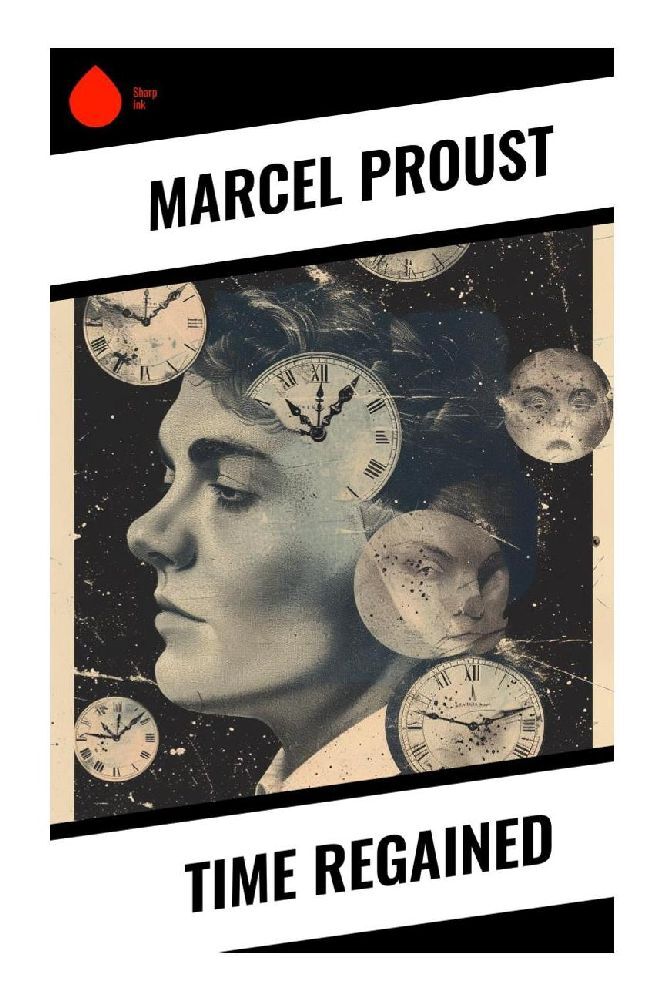
Time Regained, the culminating volume of Marcel Proust's In Search of Lost Time, brings the narrator's long apprenticeship in perception, memory, and desire to its revelatory conclusion. Set against the upheaval of the First World War and the altered society that follows it, the novel transforms social observation into metaphysical insight. Proust's sinuous, analytic prose gathers salons, jealousies, aging bodies, and involuntary memories into a final meditation on art's power to redeem time. Marcel Proust, born into the French bourgeoisie in 1871, drew deeply on the Parisian worlds of aristocratic sociability, aesthetic debate, illness, and introspection that shaped his life. His fragile health and withdrawal from society intensified his inward vision, while his experiences of fin-de-siècle culture, the Dreyfus Affair, and modernity's disruptions informed the novel's moral and historical breadth. Time Regained distills decades of observation into a theory of artistic vocation. This book is essential for readers who value fiction as both narrative and philosophical inquiry. Though most rewarding after the preceding volumes, it offers an unmatched vision of memory, mortality, and creation, and stands as one of modern literature's profoundest statements on why art matters.