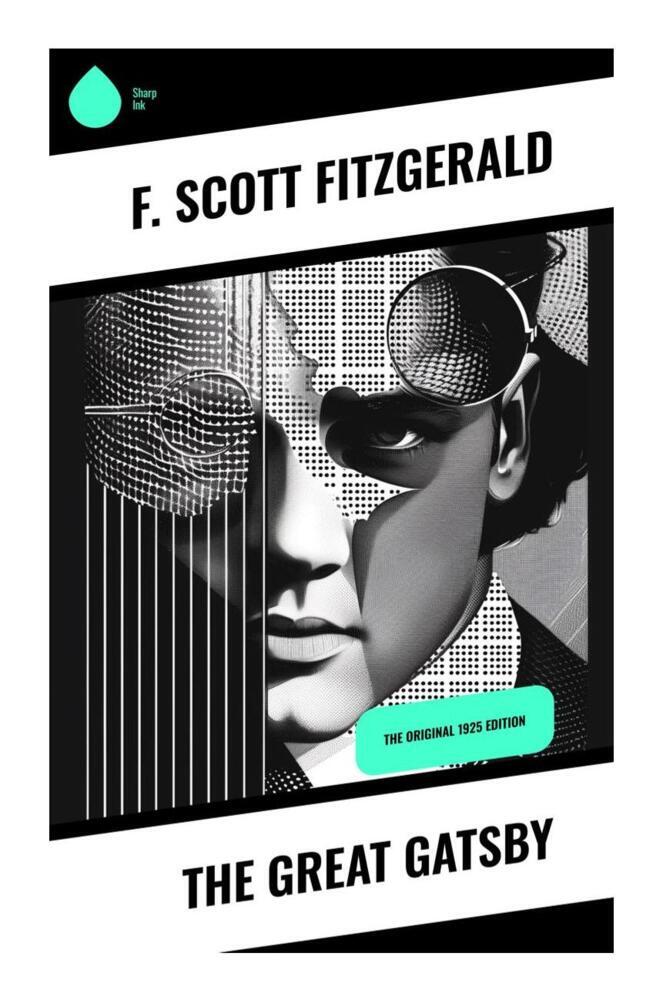
Set amid the glittering mansions and restless parties of 1920s Long Island, The Great Gatsby is Fitzgerald's most crystalline exploration of desire, illusion, and social stratification. Narrated with reflective elegance by Nick Carraway, the novel combines lyrical compression with sharp social observation, transforming a seemingly romantic pursuit into a modernist critique of the American Dream. Its symbolism-the green light, the valley of ashes, Gatsby's lavish entertainments-places it among the defining works of Jazz Age literature. F. Scott Fitzgerald wrote from intimate knowledge of the world he anatomized. Born in 1896 and celebrated early for his portraits of youth, wealth, and aspiration, he lived within the glamour and instability of the postwar decade. His marriage to Zelda Sayre, his fascination with moneyed society, and his own anxieties about status and artistic worth profoundly shaped Gatsby's tragic vision of self-invention and longing. This novel is essential reading for anyone interested in American literature, modernism, or the moral costs of ambition. Brief yet inexhaustible, it rewards both first-time readers and returning scholars with its beauty, irony, and enduring insight.