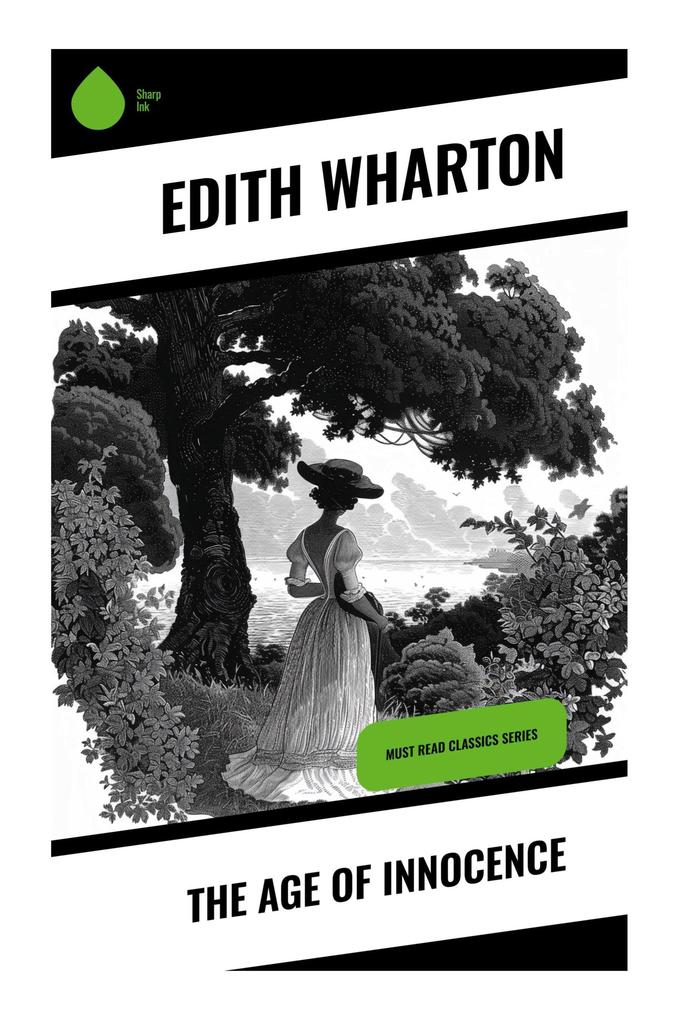
Set in the glittering yet constrictive world of 1870s New York, The Age of Innocence examines the conflict between social duty and private desire through Newland Archer, his conventional fiancée May Welland, and the scandal-shadowed Countess Ellen Olenska. Wharton's prose is elegant, ironic, and anthropologically precise, rendering drawing rooms, opera boxes, and family rituals as instruments of social discipline. Published in 1920, the novel looks back at the Gilded Age from the vantage of modern disillusionment, exposing the moral costs beneath an apparently innocent civilization. Edith Wharton, born into the very upper-class New York society she anatomizes, wrote with the authority of both participant and critic. Her intimate knowledge of its codes-marriage alliances, inherited wealth, female decorum, and the tyranny of reputation-allowed her to transform personal memory into social history. Having lived through divorce, expatriation, and the upheavals of the First World War, Wharton brought to the novel a sharp awareness of change and loss. This book is highly recommended for readers interested in psychological realism, social satire, and the quiet tragedies produced by convention. It is a masterwork of restraint, intelligence, and emotional depth.