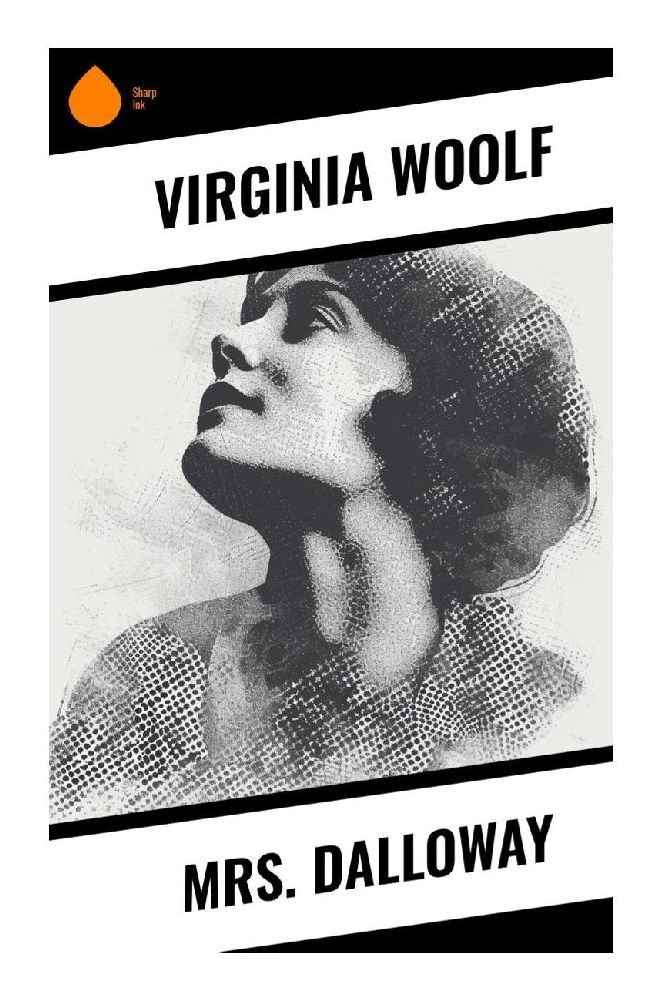
Virginia Woolf's Mrs. Dalloway (1925) unfolds over a single June day in postwar London, following Clarissa Dalloway as she prepares for an evening party while the shell-shocked veteran Septimus Warren Smith moves toward tragedy. Through stream of consciousness, free indirect discourse, and intricate temporal shifts, Woolf transforms ordinary social rituals into a profound meditation on memory, class, gender, mortality, and the psychic aftershocks of the First World War. The novel stands as a central achievement of literary modernism, in dialogue with Joyce and Proust yet unmistakably Woolf's own. Woolf's sensitivity to inner life was shaped by her intellectual milieu, her involvement with the Bloomsbury Group, and her own experiences of mental illness and bereavement. Her critique of patriarchal medicine, social conformity, and imperial complacency emerges not as argument alone, but through the rhythms of perception, silence, and interruption that structure the book. Mrs. Dalloway is essential reading for anyone interested in modernist fiction, feminist literary history, or the art of rendering consciousness. It rewards slow, attentive reading and remains startlingly contemporary in its portrayal of alienation, resilience, and the fragile beauty of everyday life.