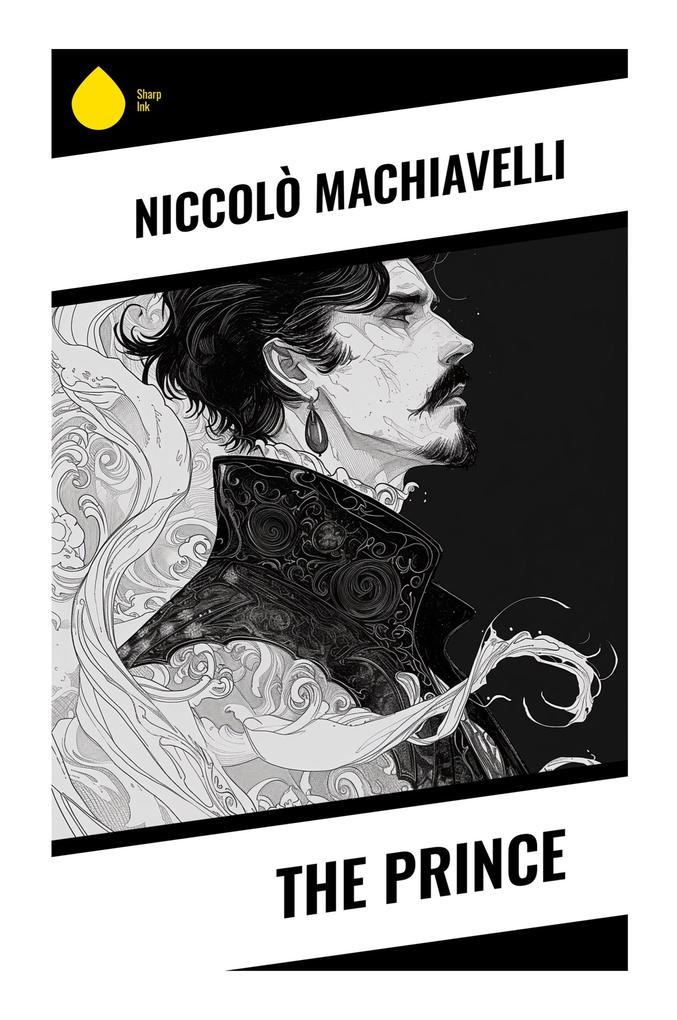
The Prince is Machiavelli's terse, unsettling anatomy of political power, written as a practical manual for rulers confronting unstable states, fickle subjects, and ruthless rivals. Rejecting the idealized moral commonplaces of medieval and humanist mirrors for princes, it studies politics as it is practiced rather than as it ought to be imagined. Its style is lucid, compressed, and aphoristic, drawing examples from Roman history, contemporary Italy, and recent rulers to argue that necessity, fortune, arms, and reputation shape successful rule. Niccolò Machiavelli, a Florentine diplomat, civil servant, and political thinker, wrote the work after the fall of the Florentine republic and his exclusion from public office under the restored Medici regime. His years negotiating with princes, popes, mercenary captains, and foreign powers gave him intimate knowledge of ambition and insecurity. The book reflects both his republican experience and his urgent desire to return to political relevance. This is essential reading for anyone interested in political theory, Renaissance literature, ethics, or the dark mechanics of leadership. Its brilliance lies not in simple cynicism, but in its unsparing recognition that power often operates beyond conventional virtue.