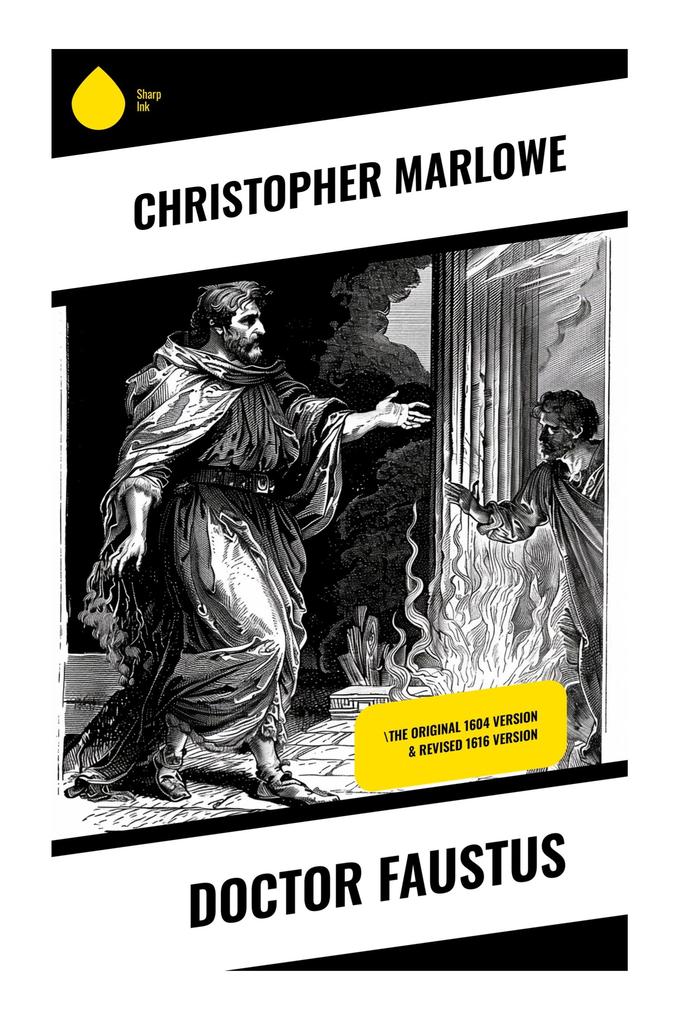
Doctor Faustus dramatizes the perilous bargain of a learned scholar who sells his soul to Lucifer for knowledge, power, and sensual delight. Written in commanding blank verse and punctuated by comic interludes, the play fuses medieval morality drama with the intellectual restlessness of the Renaissance. Its protagonist is both a cautionary sinner and a modern overreacher, making the work central to debates about ambition, free will, theology, and the limits of human inquiry. Christopher Marlowe, born in 1564, was among the most brilliant and audacious dramatists of the Elizabethan stage. Educated at Cambridge and associated with heterodox speculation, espionage rumors, and a fiercely skeptical temperament, Marlowe helped transform English drama through rhetorical grandeur and psychologically charged protagonists. Doctor Faustus reflects his fascination with forbidden knowledge, classical learning, and the spiritual anxieties of Reformation England. This play is essential reading for anyone interested in tragedy, Renaissance culture, or the origins of modern dramatic character. It rewards readers with memorable poetry, philosophical urgency, and an enduring portrait of desire confronting damnation.