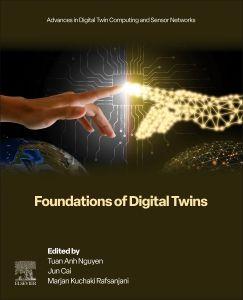
Foundations of Digital Twins explains the fundamentals of digital twins, how digital twin technologies can gather real world data using the sensor networks that comprise the Internet of Things, and how that data can be sorted, analyzed, and used to improve services and increase sustainability. Structured in five sections, the book begins with an introductory overview of each technology, establishing a clear understanding of their individual roles and their potential when combined. The second section delves into data acquisition, featuring advanced sensors, drones, robots and actuators. Part Three considers data exchange and security, focusing on CPS, the internet of things, and blockchain.
Part Four looks at how digital twins can impact on data computing, such as video streaming, cloud computing, fog computing and edge-computing. The final section explores the future opportunities and risks of adopting advanced technologies in this evolving field, including artificial intelligence, the ethical issues concerned when collecting and using data, and the security implications.
Inhaltsverzeichnis
PART 1. INTRODUCTION
1. Overview of digital twins. Brief discussion of digital twin technologies. Cross-disciplinary use of digital twins. Things you need to know. Case studies. Applications. Calculations / worked examples. Chapter Introduction. Chapter summary. Definitions. Literature review
2. Key Technologies of Digital Twins. Chapter Introduction. Chapter summary. Definitions. Methods and techniques. Case studies. Applications
3. Layers based digital twin. Chapter Introduction. Chapter summary. Definitions. Methods and techniques. Case studies. Applications
PART 2. DATA ACQUISITION
4. Advanced sensors/actuators for digital twin. Chapter Introduction. Chapter summary. Definitions. Applications
5. Advanced Drones for digital twin. Chapter Introduction. Chapter summary. Definitions. Applications
6. Advanced Robots for digital twin. Chapter Introduction. Chapter summary. Definitions
7. Digital twin networks. Chapter Introduction. Chapter summary. Definitions
PART 3. DATA EXCHANGE, TRANSMISSION, AND SECURITY
8. CPS and digital twin. Chapter Introduction. Chapter summary. Definitions. Methods and techniques. Applications. Literature review
9. Iot and digital twin. Chapter Introduction. Chapter summary. Definitions. Methods and techniques. Applications. Literature review
10. Blockchain and digital twin. Chapter Introduction. Chapter summary. Definitions. Methods and techniques. Applications. Literature review
PART 4. DATA COMPUTING
11. Video streaming and digital twins. Chapter Introduction. Chapter summary. Definitions. Methods and techniques. Applications
12. Cloud computing for digital twin. Chapter Introduction. Chapter summary. Definitions. Methods and techniques. Applications
13. Fog-computing for digital twin. Chapter Introduction. Chapter summary. Definitions. Methods and techniques. Applications
14. Edge-computing for digital twin. Chapter Introduction. Chapter summary. Definitions. Methods and techniques. Applications
PART 5. ARTIFICIAL INTELLIGENCE AND DIGITAL TWINS
15. The Role of AI in Enhancing Digital Twins. Chapter Introduction. Chapter summary. Definitions. Methods and techniques. Applications
16. Ethical Considerations and Challenges of AI in Digital Twins. Chapter Introduction. Chapter summary. Definitions. Methods and techniques. Applications
17. Security risks and privacy challenges in digital twins. Chapter Introduction. Chapter summary. Definitions. Methods and techniques. Applications
18. Future perspectives. Chapter Introduction. Chapter summary