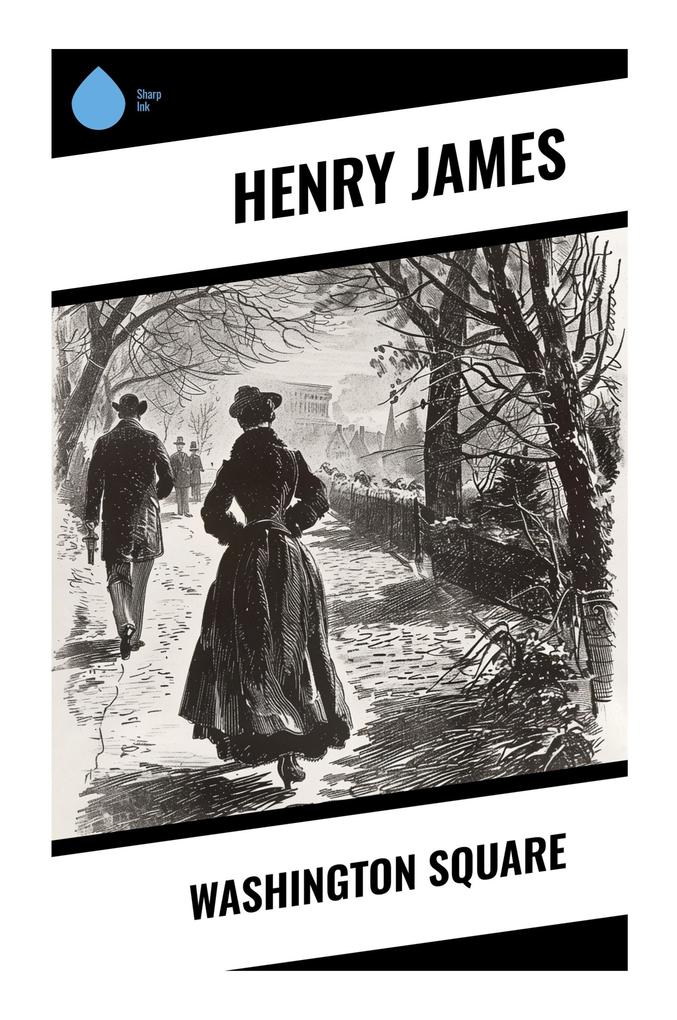
Washington Square is a finely wrought study of innocence, authority, and emotional misrecognition in mid-nineteenth-century New York. Centered on Catherine Sloper, the plain but wealthy daughter of a brilliant, cold physician, the novel traces her courtship by the charming Morris Townsend and her father's ruthless effort to expose him as a fortune-hunter. James's style is restrained, ironic, and psychologically exact, anticipating the moral ambiguities of his later fiction while retaining the clarity of realist social comedy. Set within the domestic world of old New York, it examines marriage, money, and filial obedience with austere dramatic force. Henry James, born into an intellectually distinguished American family and long attuned to the contrasts between American manners and European sophistication, was especially interested in consciousness under social pressure. His fascination with inheritance, moral judgment, and the vulnerability of young women informs this novel, as does his lifelong scrutiny of family authority and the limits of sympathy. Readers who value subtle characterization over melodrama will find Washington Square deeply rewarding. It is recommended as one of James's most accessible works: lucid, compact, and devastating in its quiet account of dignity won through disappointment.