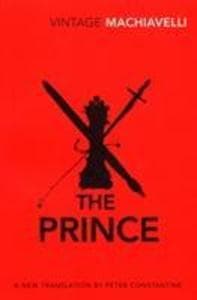
Niccolò Machiavelli's The Prince is one of the most influential political treatises ever written, offering a stark and pragmatic examination of power, leadership, and statecraft.
Written in the early sixteenth century during the turbulent politics of Renaissance Italy, The Prince presents Machiavelli's observations on how rulers gain, maintain, and exercise political authority. Drawing on examples from classical history and contemporary Italian politics, Machiavelli analyzes the qualities necessary for effective leadership, arguing that the successful ruler must understand both human nature and the realities of political power.
Rejecting idealistic notions of governance, Machiavelli explores the difficult choices leaders face when stability, security, and survival are at stake. His discussion of strategy, diplomacy, reputation, and calculated action has made the work a cornerstone of political philosophy and an enduring subject of debate for scholars, statesmen, and readers alike.
More than five centuries after its composition, The Prince remains a foundational text for understanding political realism and the enduring dynamics of authority, ambition, and governance.