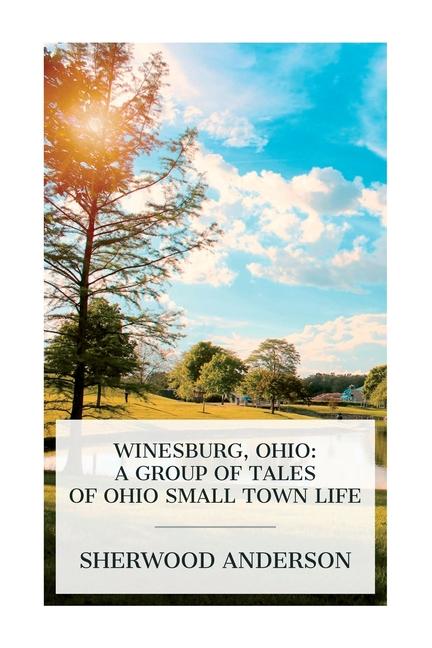
In "Winesburg, Ohio: A Group of Tales of Ohio Small Town Life," Sherwood Anderson crafts a poignant exploration of the human condition through a series of interconnected short stories set in the fictional town of Winesburg, Ohio. Employing a modernist literary style characterized by introspection and psychological complexity, Anderson delves into the lives of his characters, each grappling with personal isolation and societal constraints. The book vividly reflects the early 20th-century American experience, positioning itself within the broader context of regionalism and modernism, as it captures the essence of small-town life and the yearning for connection amidst solitude. Sherwood Anderson, an influential figure in American literature, drew from his own Midwestern experiences to illuminate the lives of everyday people. His own feelings of alienation and introspection, particularly following his tumultuous early years, informed his writing philosophy. "Winesburg, Ohio," published in 1919, is not only a seminal work that heralded the rise of modernist literature but also a reflection of Anderson's unique voice influenced by existential questions and a deep empathy for his characters. This timeless collection is a must-read for anyone interested in the intricacies of human emotions and the complexities of social interaction. Anderson's evocative prose offers profound insight into the unseen struggles of ordinary people, making it a powerful and relevant exploration of community and individuality. Dive into "Winesburg, Ohio" to discover a foundational text that continues to resonate with readers today.