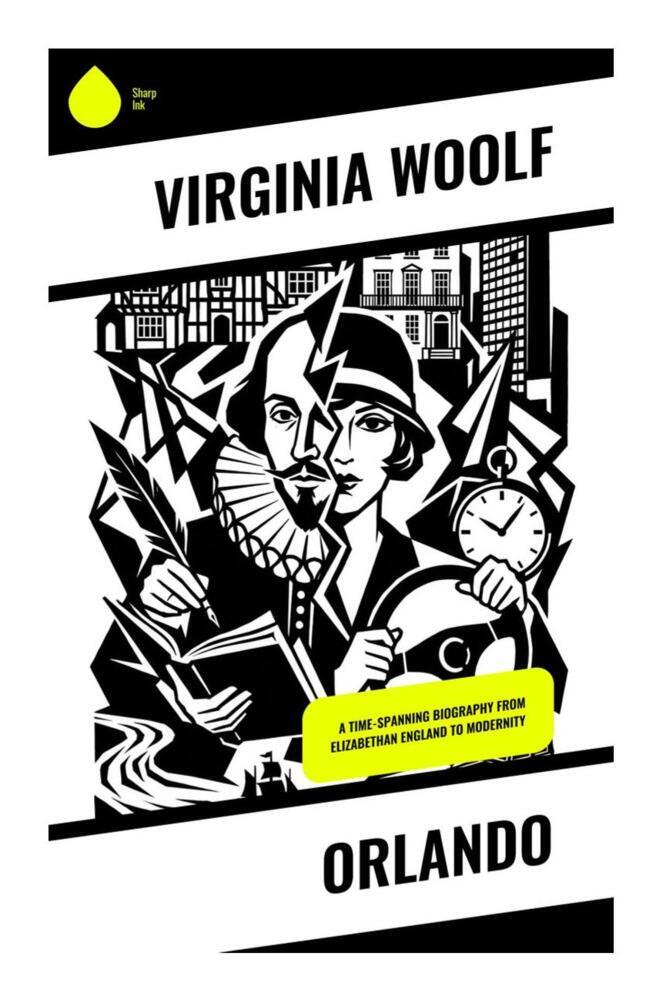
Virginia Woolf's Orlando is a brilliantly inventive mock-biography that follows its hero from the Elizabethan age into the twentieth century, crossing centuries, social worlds, and even gender. At once playful and profound, the novel blends fantasy, satire, historical pastiche, and lyrical prose to question the stability of identity, authorship, and time itself. Written in the high modernist period, Orlando departs from strict realism while retaining Woolf's characteristic psychological subtlety, turning biography into a fluid, ironic form that exposes the conventions of literary history and social order. Woolf, one of the central figures of literary modernism and a key member of the Bloomsbury Group, wrote Orlando in 1928, during a mature phase of her career. The book is deeply shaped by her intimate relationship with Vita Sackville-West, whose aristocratic lineage, family estate, and personal charisma inspired the novel's central figure. Woolf's interest in consciousness, gender, and the limitations placed upon women by tradition finds here one of its most exuberant and accessible expressions. This is an essential book for readers interested in modernism, gender studies, and the experimental possibilities of fiction. Orlando rewards both scholarly attention and first-time reading with its wit, elegance, and enduring imaginative freedom.