








Gleaming and perfect, gold has beguiled humankind for many millennia, attracting treasure hunters, adorning the living and the dead, and symbolizing wealth, power, divinity, and eternity. This book offers a lively, critical look at the cultural history of this most regal metal, examining its importance across many cultures and time periods and the many places where it has been central, from religious ceremonies to colonial expeditions to modern science. Rebecca Zorach and Michael W. Phillips Jr. cast gold as a substance of paradoxes. Its softness at once makes it useless for most building projects yet highly suited for the exploration of form and the transmission-importantly-of images, such as the faces of rulers on currency. It has been the icon of value-the surest bet in times of uncertain markets-yet also of valuelessness, something King Midas learned the hard way. And, as Zorach and Phillips detail, it has been at the center of many clashes between cultures all throughout history, the unfortunate catalyst of countless blood lusts. Ultimately, they show that the questions posed by our relentless desire for gold are really questions about value itself. Lavishly illustrated, this book offers a shimmering exploration of the mythology, economy, aesthetics, and perils at the center of this simple-yet irresistible-substance.
-7%
Taschenbuch
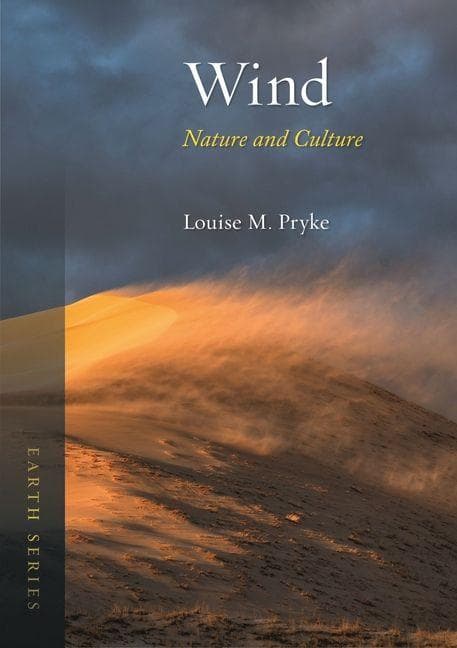
"By turns creative and destructive, wind spreads seeds, fills sails, and disperses the energy of the sun. Worshipped since antiquity, wind has molded planets, determined battles, and shaped the evolution of life on earth yet this invisible element remains intangible and unpredictable."--