Bücher versandkostenfrei*100 Tage RückgaberechtAbholung in über 100 Filialen
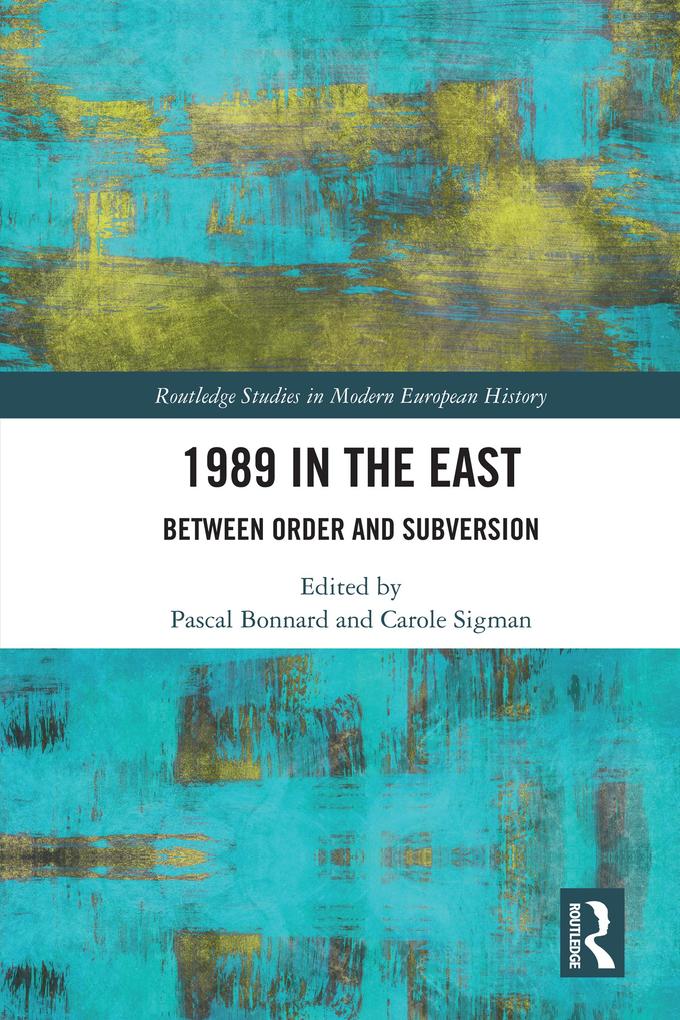
1989 in the East revisits the processes that led to the collapse of communist regimes in Central and Eastern Europe, the Balkans and the USSR. This disintegration appeared to be the result of complex mobilisations where the repertoires of action, the institutional and non-institutional ties, the ideological preferences, and the identities of the actors, including the most official ones, have been profoundly changed. The modes of contestation have gone from a self-limited subversion of established institutions, with some forms of collaboration with the regime, to much clearer and more radical forms of head-on opposition. Opposition movements developed according to rhythms and modalities specific to each country, sometimes to each social sphere. Social mobilisations, institutional transformations (both visible and less visible), and the emergence of new actors in all social spheres are therefore central issues in this book.
This book, based on rich empirical material, will be of interest to specialists in the region, as well as, more generally, to students of regime change and collapse, political crises, social movements, authoritarian regimes, and the forms of mobilisation that develop within them.
Es wurden noch keine Bewertungen abgegeben. Schreiben Sie die erste Bewertung zu "1989 in the East" und helfen Sie damit anderen bei der Kaufentscheidung.