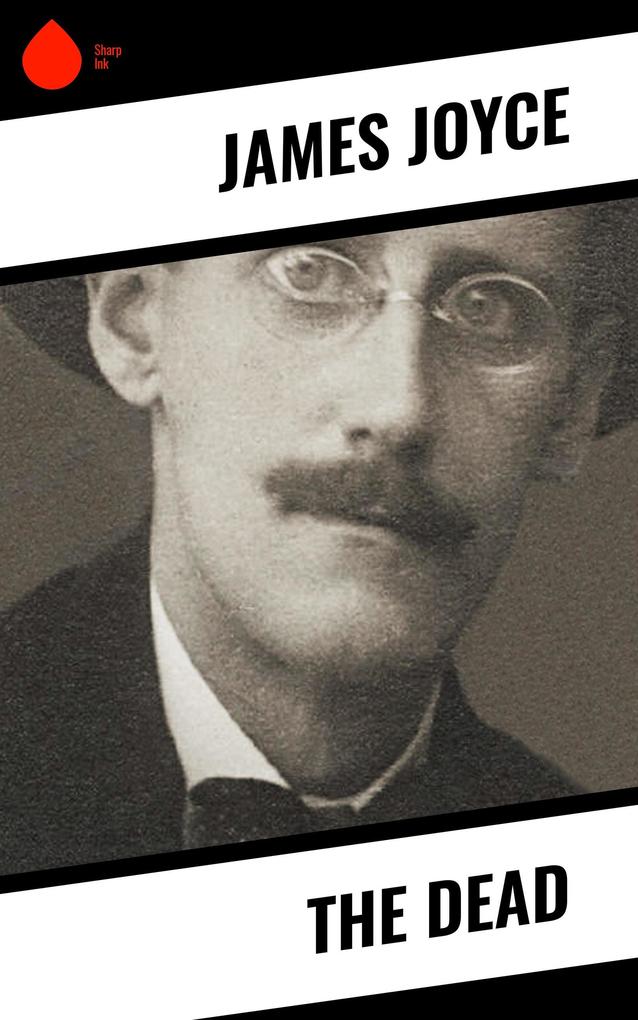
James Joyce's "The Dead," a short story from his acclaimed collection "Dubliners," delves into the complexities of identity, mortality, and the nuances of human relationships within the framework of early 20th-century Dublin society. Employing a modernist literary style, Joyce employs intricate stream-of-consciousness techniques and vivid characterizations to explore the interior lives of his protagonists. The narrative unfolds during a festive dinner, juxtaposing the liveliness of the gathering with profound themes of alienation and epiphany, culminating in the transformative realization of the protagonist Gabriel Conroy regarding life and death. James Joyce, an eminent figure in modernist literature, was profoundly influenced by his Irish heritage, and his experiences in Dublin permeate his writing. Born in 1882, Joyce's youthful encounters with love, loss, and cultural displacement informed the poignant themes of "The Dead." This story encapsulates Joyce's preoccupation with the tension between personal introspection and societal expectations, exposing the constraints of identity and the haunting specter of the past. This masterfully crafted narrative makes "The Dead" an essential read for anyone interested in the intricacies of human experience and the profound impact of memory and nostalgia. Scholars and casual readers alike will find Joyce's exploration of existential themes both illuminating and deeply resonant, establishing "The Dead" as a timeless classic that invites reflection on the very essence of life.