Bücher versandkostenfrei*100 Tage RückgaberechtAbholung in über 100 Filialen
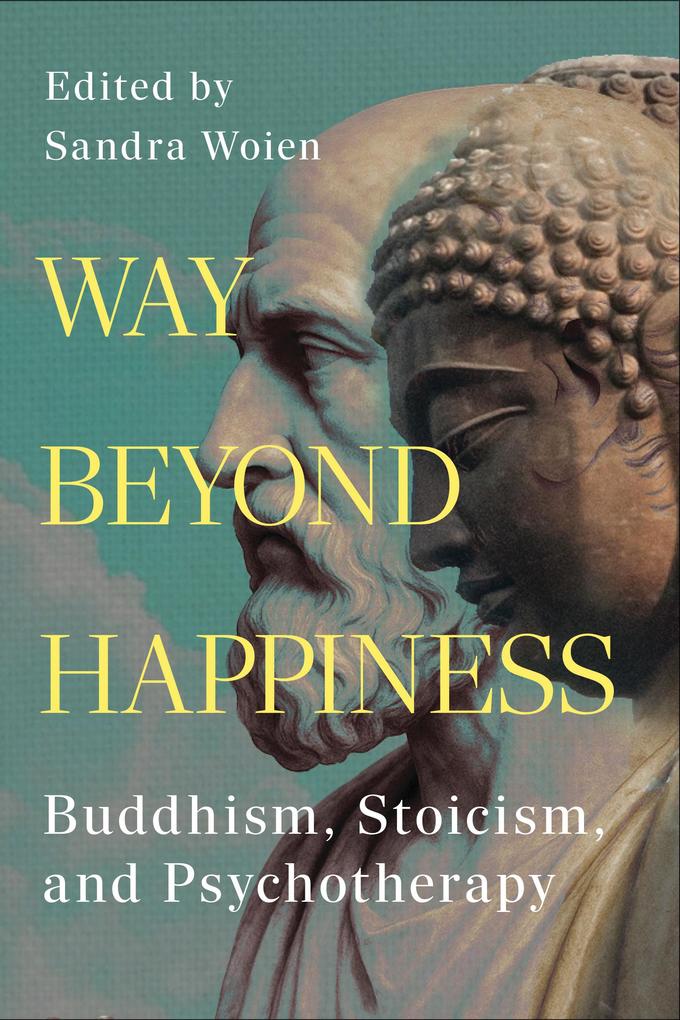
● Can therapy or religion overcome the "meaning crisis of modern life?
● Would a perfectly wise person be immune to grief?
● What's the downside of optimism about future outcomes?
● Do Stoicism or Buddhism encourage a cold, unfeeling absence of emotion?
● Are psychedelic drugs effective aids to spiritual awareness?
● What are the vital disagreements between Buddhism and Stoicism?
In an age of furious digital agitation, vacuous hype, and angry controversies over rapidly changing ideological quarrels, two ancient philosophies of calm, reason, self-control, and moderation have each made spectacular comebacks.
Buddhism and Stoicism are everywhere in popular discussions of success and peace of mind, from sports to business, from workplace conflicts to relationship counseling in bestselling books, viral podcasts, and booming wellness retreats.
Even more remarkable, the dominant fashion in psychotherapy, the cognitive-behavioral approach which has replaced discredited Freudian-style psychoanalysis, was created by pioneers like Albert Ellis and Aaron Beck, who from the get-go drew upon both Stoic and Buddhist sources. At the same time, there's now an enormous surge within academic philosophy, to rediscover philosophy's traditional function as a Guide to Life, rather than a mere fascination with intellectual puzzles, and here again, the most important sources lie in Buddhism and Stoicism.
Es wurden noch keine Bewertungen abgegeben. Schreiben Sie die erste Bewertung zu "Way Beyond Happiness" und helfen Sie damit anderen bei der Kaufentscheidung.