Bücher versandkostenfrei*100 Tage RückgaberechtAbholung in über 100 Filialen
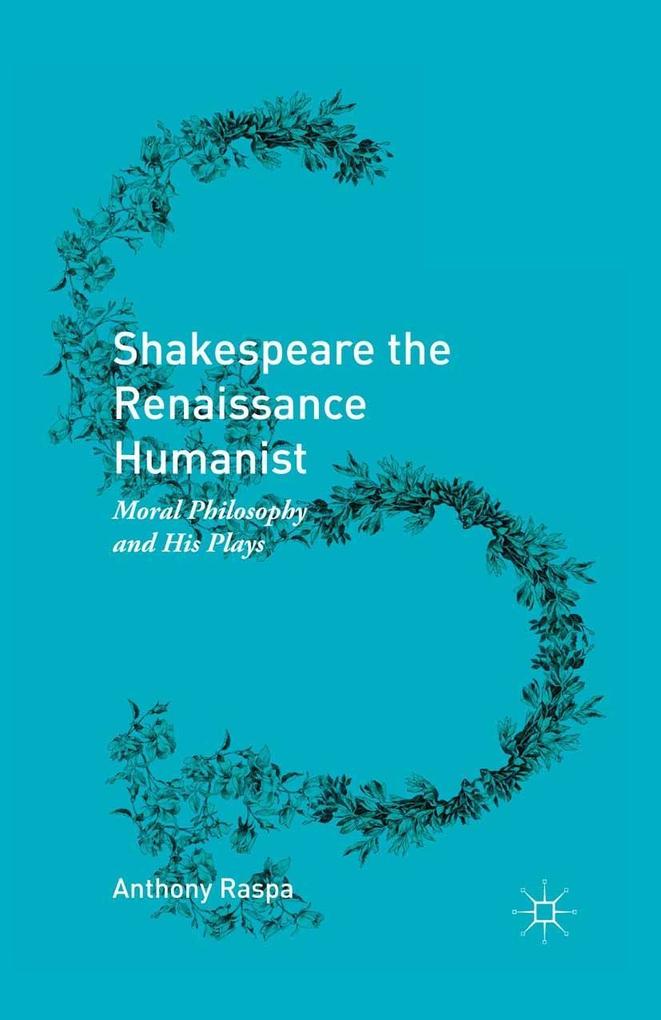
During the Renaissance, moral philosophy came to permeate the minds of many, including the spectators that poured into Shakespeare's Globe theatre. Examining these strains of thought that formed the basis for humanism, Raspa delves into King Lear, Hamlet, among others to unlock what influence this had on both Shakespeare and his interpreters.
Inhaltsverzeichnis
1. Shakespeare, the Critics, and Humanism
2. Metaphysics as the Way Things Are: King John and Hamlet
3. The Wisdom of King Lear
4. Macbeth' s Imagination as Fatal Flaw
5. Beauty and Misfortune in Romeo and Juliet
6. Of Animals and Men: The Tempest
Raspa (retired, Laval Univ. , Canada) argues that contemporary Shakespeare criticism has moved too far away from the philosophical contexts of Shakespeare s own time . Raspa seeks to redress this by reading a variety of plays through the lens of Renaissance humanism, offering explanations of how Shakespeare s contemporaries would have necessarily understood various moments in the plays. Summing Up: Recommended. Graduate students, researchers, faculty. (A. Castaldo, Choice, Vol. 54 (5), January, 2017)
Es wurden noch keine Bewertungen abgegeben. Schreiben Sie die erste Bewertung zu "Shakespeare the Renaissance Humanist" und helfen Sie damit anderen bei der Kaufentscheidung.