Bücher versandkostenfrei*100 Tage Rückgaberecht***Abholung in über 100 Filialen
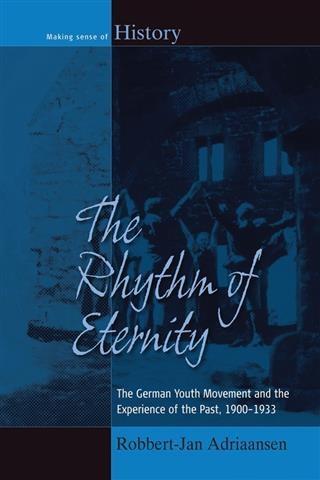
The Weimar era in Germany is often characterized as a time of significant change. Such periods of rupture transform the way people envision the past, present, and future. This book traces the conceptions of time and history in the Germany of the early 20th century. By focusing on both the discourse and practices of the youth movement, the author shows how it reinterpreted and revived the past to overthrow the premises of modern historical thought. In so doing, this book provides insight into the social implications of the ideological de-historicization of the past.
Es wurden noch keine Bewertungen abgegeben. Schreiben Sie die erste Bewertung zu "Rhythm of Eternity" und helfen Sie damit anderen bei der Kaufentscheidung.