Bücher versandkostenfrei*100 Tage RückgaberechtAbholung in über 100 Filialen












Fürs Osterfest reduziert: tolino vision color & shine color zum Aktionspreis
Jetzt sparen
mehr erfahren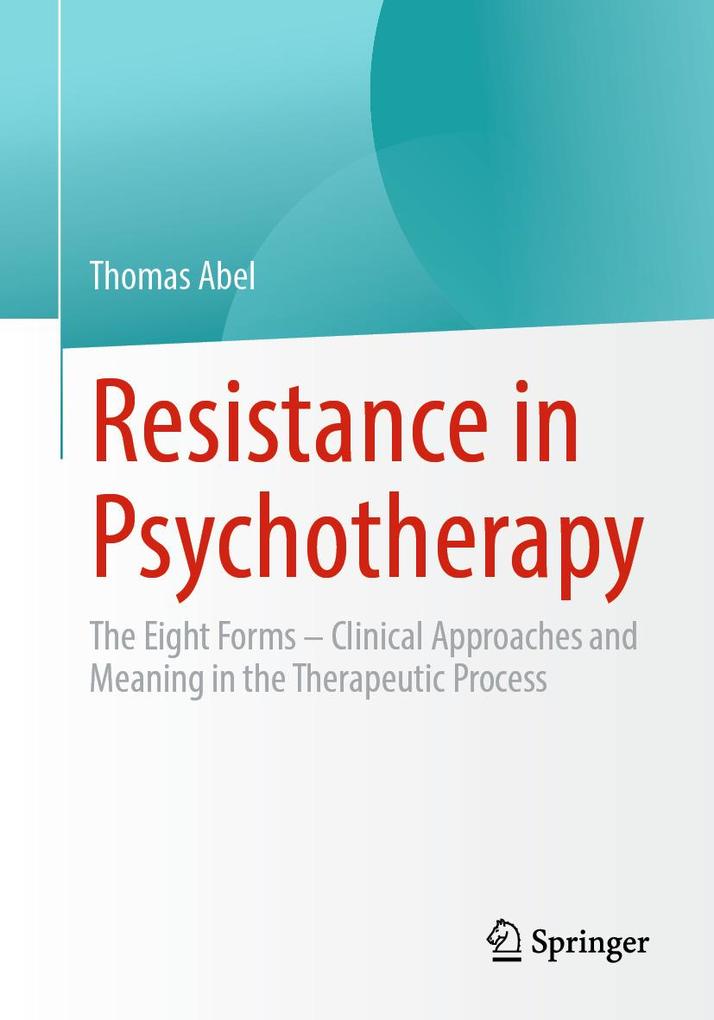
Patients enter psychotherapy because they suffer from distressing symptoms or relationship problems and want to change something about them. At the same time, change is frightening: on the one hand, it calls into question an often painstakingly achieved psychological balance. On the other hand, the many abysses that patients must overcome on their developmental path still lie shrouded in fog. That is why they oppose the therapeutic process of change with various forms of resistance from the very beginning. This volume explores how this phenomenon is understood across different therapeutic approaches and what it means in clinical work. The eight forms of resistance identified in psychoanalysis are presented in detail using illustrative case vignettes. The book highlights the importance of the psychodynamic principle that resistance must be addressed before the underlying content can be explored and shows why all forms of therapy risk failure when it is not recognized and worked through.
Inhaltsverzeichnis
Introduction. - Definition and Classification of Resistance. - Crude Resistance. - Repression Resistance. - Transference Resistance. - Superego Resistance. - Id Resistance. - Primary, Secondary and Tertiary Gain from Illness. - Personality Structure-Specific Resistance. - Countertransference Resistance of the Therapist.
Es wurden noch keine Bewertungen abgegeben. Schreiben Sie die erste Bewertung zu "Resistance in Psychotherapy" und helfen Sie damit anderen bei der Kaufentscheidung.