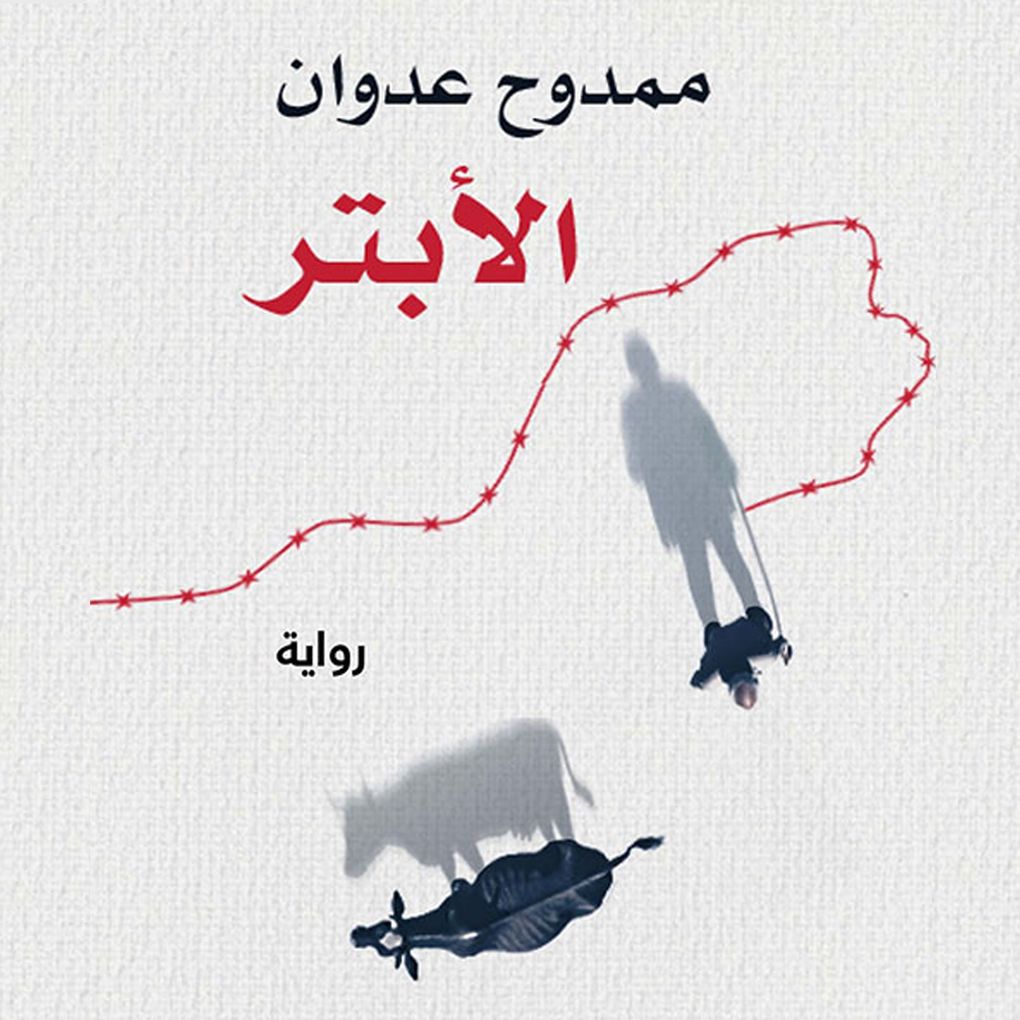
In the Syrian village of Mansoura, near Quneitra, lived a resilient old man amidst the rubble of the war that swept through the region during the Six-Day War. While the villagers fled, leaving their crops unharvested, he remained alone, cultivating his land and tending his cow, digging the irrigation canal as if trying to forge a path back to life.
The military governor tried to persuade him to sell his land and leave for Damascus like the other displaced people, but the old man vehemently refused. He left the governor's office to find the residents of Quneitra warning him that the land was no longer theirs, that the enemy had already seized it. But his heart remained steadfast; the land was his, even if the enemy triumphed over the soldiers.
One night, a masked young man, a resistance fighter protesting the occupation, visited him. He asked for food and showed him the way to safety. They talked, and the old man felt a paternal love for the young man and a fear for his life, but the young man replied that his path must continue, that people hated themselves, but he loved death.
In a wave of grief, the old man visited his wife's grave, spoke to her, and slept beside her. In the morning, he was awakened by the sounds of fire. The wheat fields in the village were burning. He tried to extinguish them, but he was helpless. The occupation soldiers stood watching, laughing at him. In his anger, he collapsed, struck two of them, and lost consciousness.
He awoke to find soldiers storming houses, emptying their contents onto trucks. The commander ordered him to move away. He sat in front of his house, and as the truck drove off, a soldier shot at him. Stray bullets, then a fatal wound.
The old man departed with one final worry: If the young man ever returned to the village, who would be there to greet him?