'I celebrate myself, and sing myself,
And what I assume you shall assume,
For every atom belonging to me as good belongs to you.'
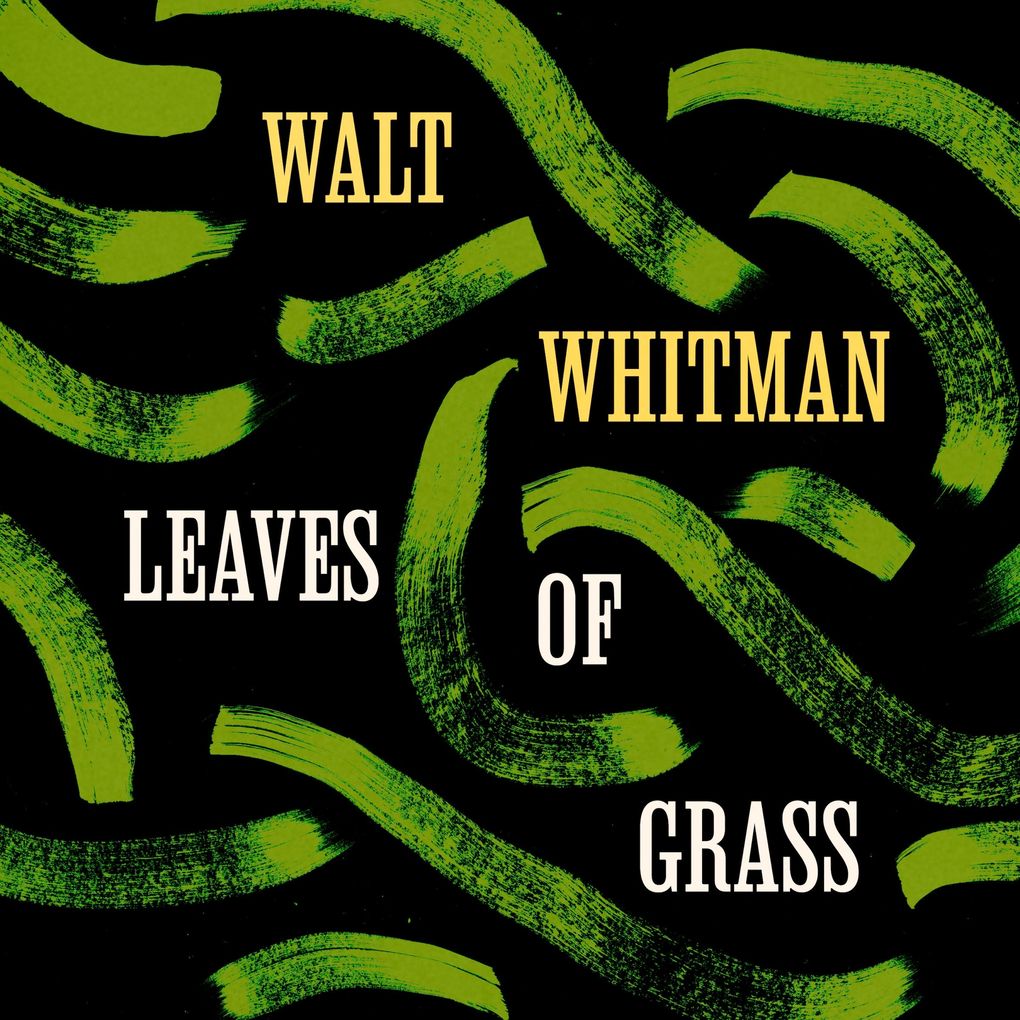
Originally self-published in 1855, Leaves of Grass is Walt Whitman's bold, life-affirming poetic epic that still permeates American popular culture to this day.
A groundbreaking collection of poetry that underwent several additions and alterations throughout Whitman's lifetime, Leaves of Grass is an unapologetic celebration of nature, the body and the interconnectedness of life itself. Including the iconic poems 'Song of Myself', 'I Sing the Body Electric' and 'Song of the Open World', Whitman's free verse exalts the beauty of the self and the natural world, creating a sweeping, spiritual and uniquely American voice that embraces the human experience for all it's worth.
Walt Whitman (1819 1892) was an American poet, journalist and novelist. He is regarded as one of the most influential writers in American literature, famed for his free verse, and the inclusion of both transcendentalism and realism in his works. Although his poetry was controversial at the time of writing, today he remains widely admired and studied.