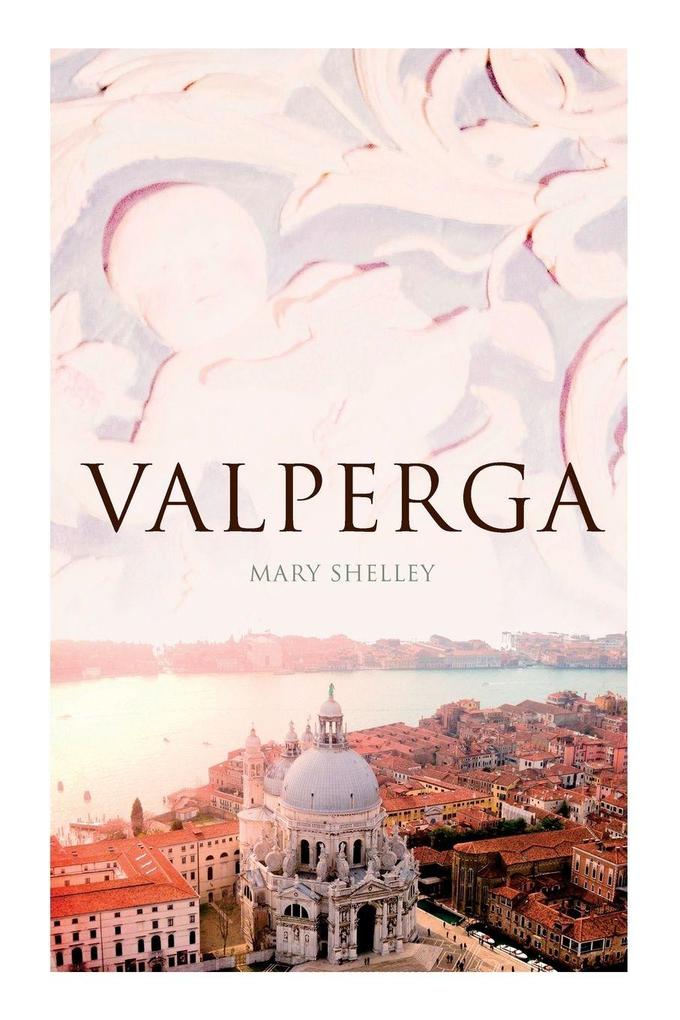
In "Valperga," Mary Shelley intricately weaves a tale set in medieval Italy, exploring themes of love, ambition, and the struggle for power. The narrative follows the life and aspirations of Castruccio, a nobleman whose quest for dominance aligns closely with the turbulent politics of his time. Shelley's distinctive literary style fuses Romanticism with Gothic elements, characterized by vivid imagery, emotionally charged prose, and a deep philosophical exploration of human nature and societal constraints. Through her portrayal of Castruccio's complex character and the moral dilemmas he faces, Shelley delves into the interplay between personal desires and the collective fate of society, reflecting the anxieties and aspirations of the early 19th century. Mary Shelley, best known for her groundbreaking novel "Frankenstein," was deeply influenced by her own life experiences and the turbulent political landscape of her time. Raised in an intellectually stimulating environment, she was exposed to the works of Enlightenment thinkers, as well as the shadow of loss and sense of isolation throughout her life. These aspects profoundly impacted her writing, prompting her to examine the consequences of individual ambition within the context of societal expectations and historical forces. "Valperga" is highly recommended for readers interested in the intersections of history, politics, and personal identity. Shelley's exploration of the human condition resonates deeply, making this work an essential read for scholars of Romantic literature and for anyone fascinated by the intricacies of human motivation and ethical complexity.