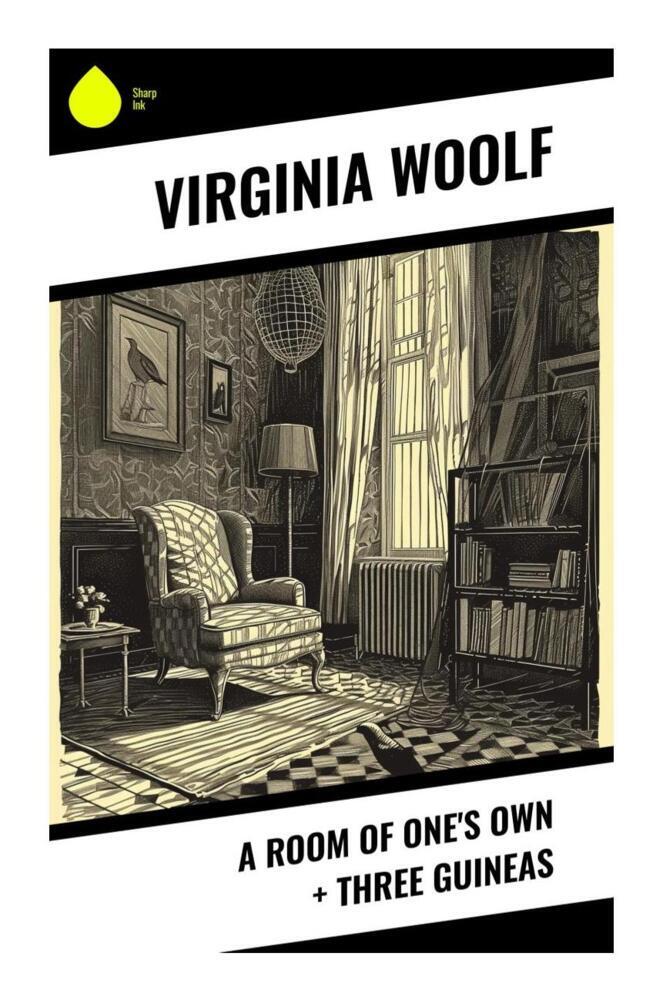
Bringing together A Room of One's Own and Three Guineas, this volume presents Virginia Woolf's most sustained meditation on women, writing, education, money, and public life. The first work, poised between essay and fiction, transforms lectures into a luminous, ironic argument for intellectual freedom: a woman must have income and private space to write. The second, darker and more polemical, links patriarchy, professional exclusion, militarism, and fascism, extending feminist criticism into a searching indictment of modern institutions. Woolf wrote from within, yet also against, the privileges of the educated English class. Born in 1882 into the Stephen household, she was largely denied the formal schooling available to her brothers, an exclusion that sharpened her attention to libraries, universities, inheritance, and authority. As a central figure of Bloomsbury and an experimental modernist novelist, she brought to political prose the same psychological subtlety, structural daring, and ethical skepticism that animate her fiction. This collection is indispensable for readers interested in feminism, modernism, literary history, or the politics of culture. It rewards close reading not only as argument but as art: witty, severe, imaginative, and uncannily contemporary in its insistence that freedom of thought depends upon material conditions.