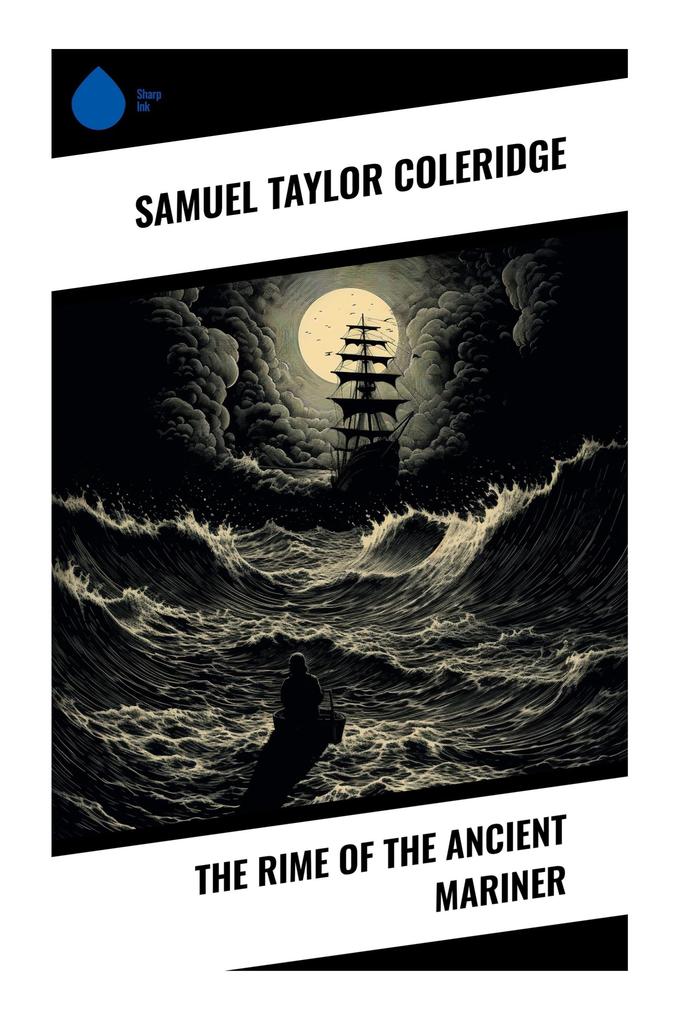
The Rime of the Ancient Mariner is Coleridge's haunting ballad of transgression, punishment, and spiritual awakening, in which a mariner's senseless killing of an albatross unleashes supernatural retribution upon his ship. Written in archaic, incantatory language and shaped by the rhythms of popular balladry, the poem fuses Gothic terror, Christian symbolism, and visionary Romanticism. Its frame narrative, marginal glosses, and musical repetitions place it at the threshold between oral legend and modern psychological exploration. Samuel Taylor Coleridge, a central figure of English Romanticism, composed the poem for Lyrical Ballads, the 1798 volume that helped inaugurate the movement. His interest in theology, philosophy, dreams, and the workings of imagination informs the poem's strange moral universe. Coleridge's collaboration with Wordsworth encouraged a poetry of heightened perception, while his own intellectual restlessness and fascination with guilt, grace, and the supernatural shaped the Mariner's unforgettable ordeal. This poem is essential reading for anyone interested in Romantic literature, narrative poetry, or the symbolic power of myth. It rewards close attention with its moral complexity, eerie beauty, and enduring meditation on humanity's bond with nature and the divine.