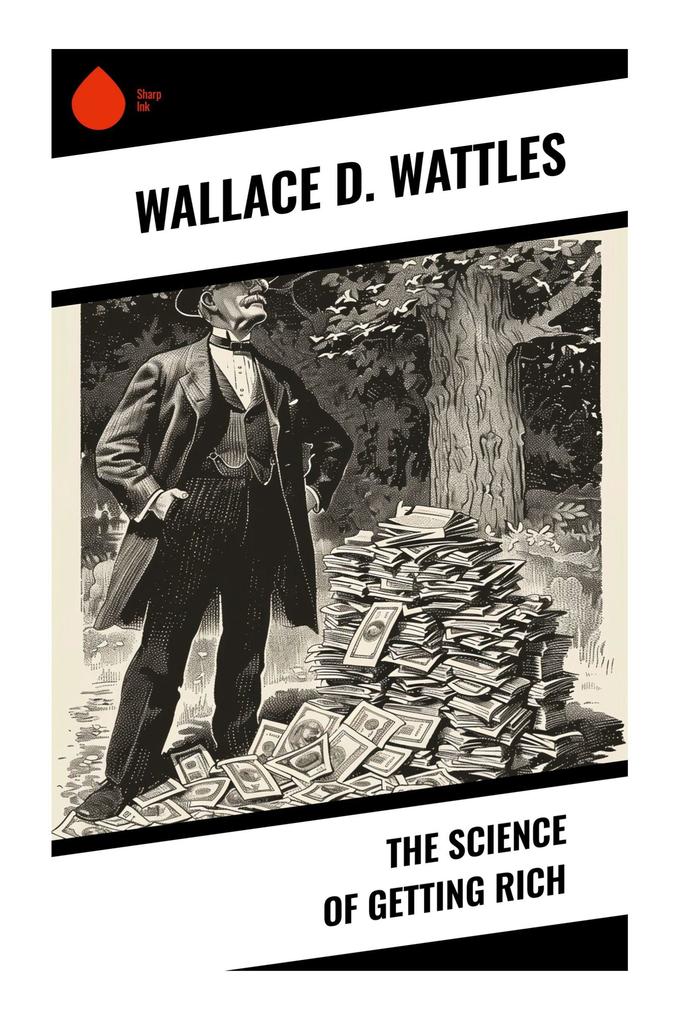
Published in 1910, The Science of Getting Rich presents wealth not as accident, inheritance, or exploitation, but as the result of disciplined thought and purposeful action. Written in the concise, aphoristic style of the New Thought movement, the book blends metaphysical idealism with practical counsel, arguing that desire, gratitude, imagination, and efficient action form a "science" of prosperity. Its literary context lies among early twentieth-century American self-culture manuals, where economic aspiration, spiritual optimism, and individual agency were closely intertwined. Wallace D. Wattles was an American writer associated with New Thought philosophy, a tradition influenced by transcendentalism, mental healing, and the belief that thought shapes material conditions. Having experienced hardship and political engagement with reformist ideas, Wattles wrote with evident concern for ordinary people seeking dignity and independence. His emphasis on creation rather than competition reflects both spiritual conviction and a critique of scarcity-minded capitalism. This book is recommended for readers interested in the origins of modern self-help, prosperity theology, and motivational literature. Though some claims invite critical scrutiny, its historical importance and enduring influence make it essential reading for understanding how spiritualized success discourse entered popular culture.