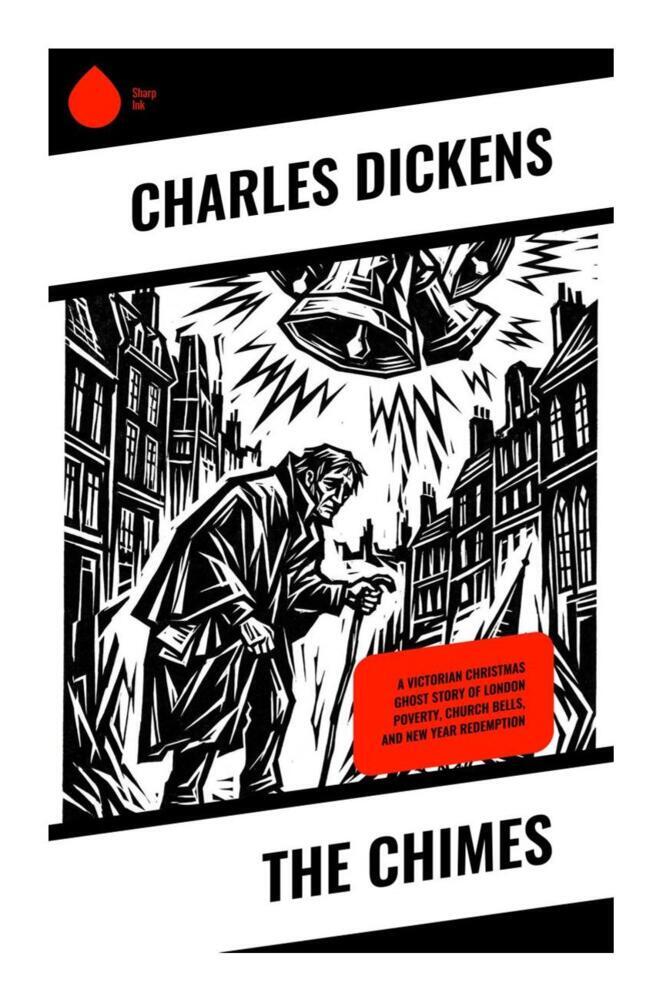
Charles Dickens's The Chimes (1844), the second of his Christmas books, is a compact yet pointed social fable about Toby "Trotty" Veck, a poor London ticket-porter whose faith in human goodness is shaken by the contempt of the powerful. Blending realism, satire, fantasy, and moral allegory, Dickens uses the peal of the church bells and a visionary nocturnal sequence to expose Victorian complacency toward poverty, crime, and social "desert." Its style moves swiftly between caricature, pathos, and supernatural admonition, placing it within the tradition of Christmas storytelling while sharpening the social critique that also animates A Christmas Carol. By the mid-1840s Dickens had become the most influential novelist of urban modernity, and his own childhood experience of insecurity and debt gave him an acute sensitivity to humiliation, hunger, and class injustice. The Chimes was written during a period of intense concern about political economy, Poor Law ideology, and public discourse that blamed the destitute for their condition. Dickens responded not with abstract argument but with emotionally charged narrative, dramatizing how institutions and attitudes deform ordinary lives. This is a highly recommended work for readers interested in Dickens's moral imagination at its most urgent. Brief yet memorable, The Chimes rewards attention as both festive ghost story and fierce intervention in nineteenth-century social debate.