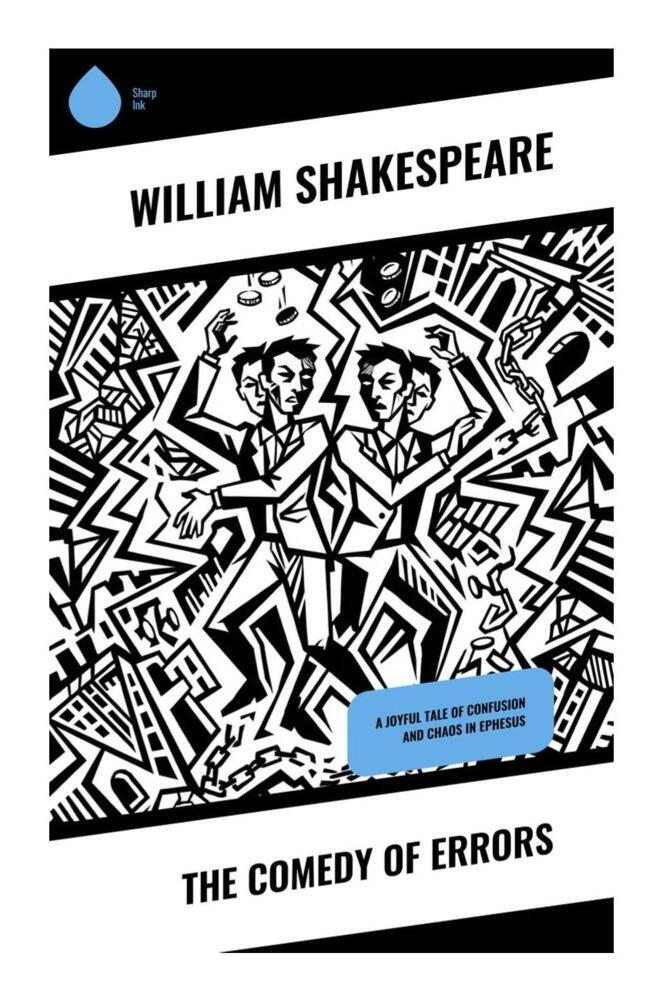
William Shakespeare's 'The Comedy of Errors' is a brilliant, fast-paced farce set in the vibrant and bustling city of Ephesus. The play's core revolves around mistaken identities, a classic comedy trope, as two sets of identical twins lead to a whirlwind of misunderstandings and tumultuous situations. The intricacies of comedic timing and wordplay are masterfully captured through Shakespeare's use of clever puns, slapstick humor, and situational comedy, prevalent in Elizabethan theater. The play is a testament to Shakespeare's dexterity in blending highbrow and lowbrow humor, engaging audiences with its ludicrous premise while exploring themes of identity and reunion. William Shakespeare, the illustrious playwright, was deeply influenced by his understanding of classical Roman comedy and the human condition, as seen in his earlier works influenced by Plautus and Terence. 'The Comedy of Errors' emerged as one of his earliest plays, crafted during a time when London's theatrical scene was burgeoning with innovation and experimentation. Shakespeare's keen insights into human psychology and societal norms found a playful outlet in this work, allowing him to grapple with themes of chaos and resolution amidst the expanding cultural landscapes of the Renaissance. The erudite delve into 'The Comedy of Errors' offers a delightful exploration for readers seeking humor and clever storytelling. Shakespeare's adept fusion of dynamic characters and dialogue invites a rich analysis of comedic conventions. For scholars and casual readers alike, this play serves as an exceptional introduction to Shakespeare's comedic genius, demonstrating his unparalleled ability to illuminate the complexities of human nature through levity and folly. As such, it stands as an essential read for admirers of classic literature and modern audiences in search of enduring wit and charm.