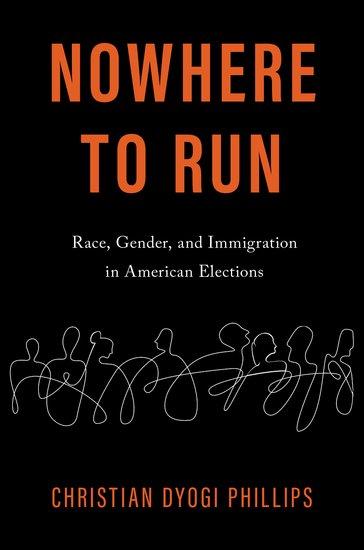
Nowhere to Run introduces the intersectional model of electoral opportunity, which argues that descriptive representation in elections is shaped by intersecting processes related to race and gender. Drawing on an original dataset encompassing nearly every state legislative general election from 1996-2015, as well as interviews and surveys with candidates, donors, and other political elites from 42 states, the book tests this theory with a first of its kind study of Asian American and Latina/o candidacies, and the first simultaneous look at the relationship between changing populations and descriptive representation for African American, Asian American, Latina/o, and white women and men.
Inhaltsverzeichnis
- Acknowledgments
- Chapter 1: Introduction
- Chapter 2: Empirical Strategies for Intersectional Research
- Chapter 3: Candidacy in Contexts
- Chapter 4: Demographics are (Men's) Destiny
- Chapter 5: The Rest of the Pie: Partisanship and Race-Gendered Opportunities in Predominantly White Districts
- Chapter 6: If Not Here, Then Where?: Constrained Opportunities for Immigrant Representation in Los Angeles County
- Chapter 7: "She came out of nowhere": Elite Networks and Candidate Emergence in Los Angeles
- Chapter 8: The Future of Candidacy and Representation in American State Legislatures
- Appendices
- Notes
- References