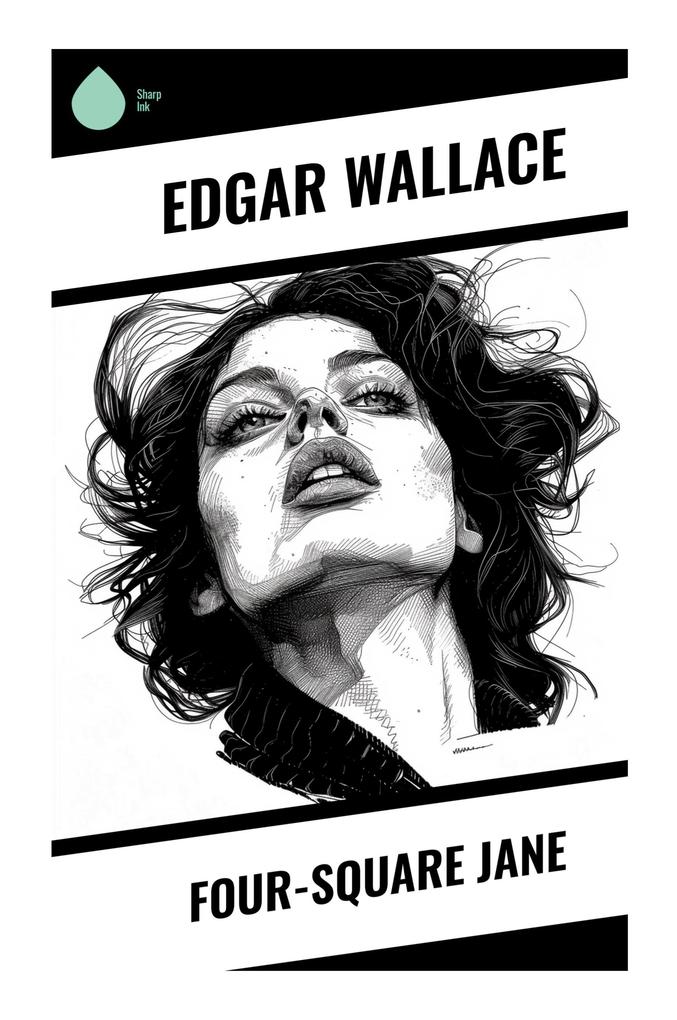
Four-Square Jane is a briskly engineered crime romance centred on a resourceful woman whose intelligence, nerve, and moral independence unsettle the male-dominated world of detectives, schemers, and professional criminals around her. Edgar Wallace works in his characteristic idiom: rapid scenes, sharp dialogue, ingenious reversals, and a theatrical sense of suspense. The book belongs to the interwar tradition of popular British thriller fiction, where melodrama, mystery, and social observation meet in stories of disguises, loyalties, and perilous respectability. Edgar Wallace (1875-1932), one of the most prolific writers of his age, drew on a life spent in journalism, war correspondence, and close observation of police courts, newspapers, and urban underworlds. His early poverty, appetite for sensation, and instinct for public taste shaped fiction that is both commercially vivid and revealing of modern anxieties about crime, class mobility, and hidden identities. Readers who enjoy classic crime fiction will find Four-Square Jane an engaging example of Wallace's narrative mastery. It is recommended especially to those interested in early twentieth-century thrillers, spirited heroines, and the popular literature that helped define modern suspense.