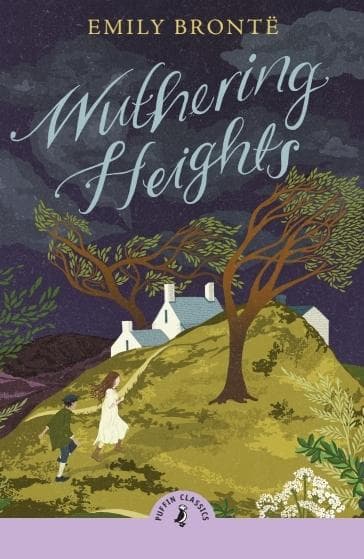
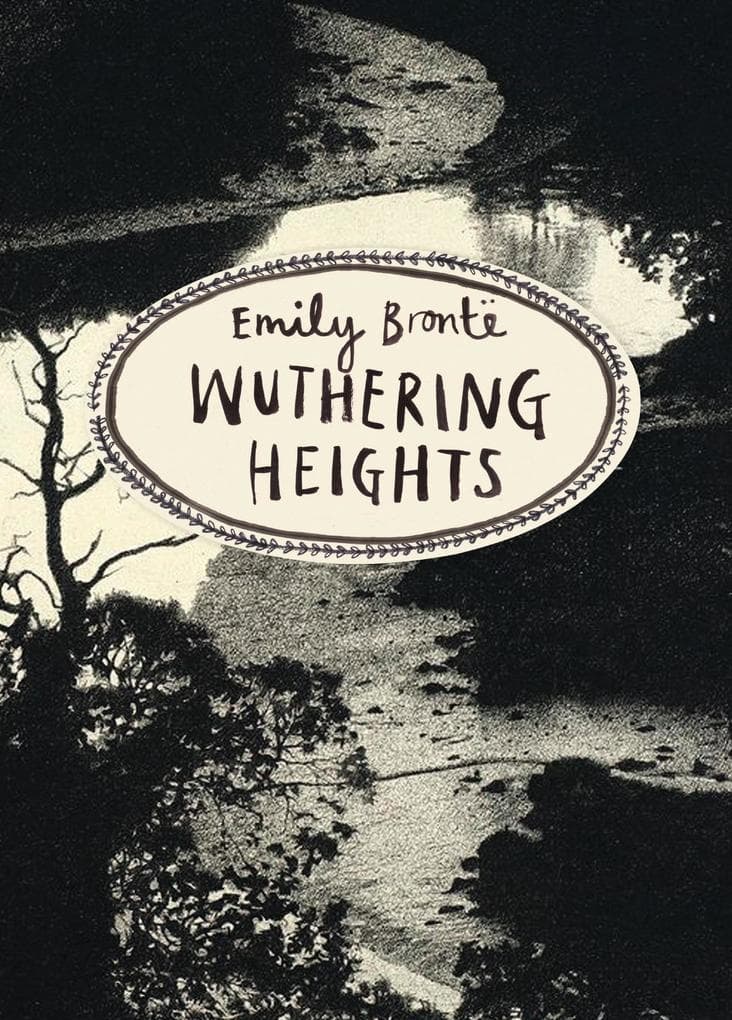
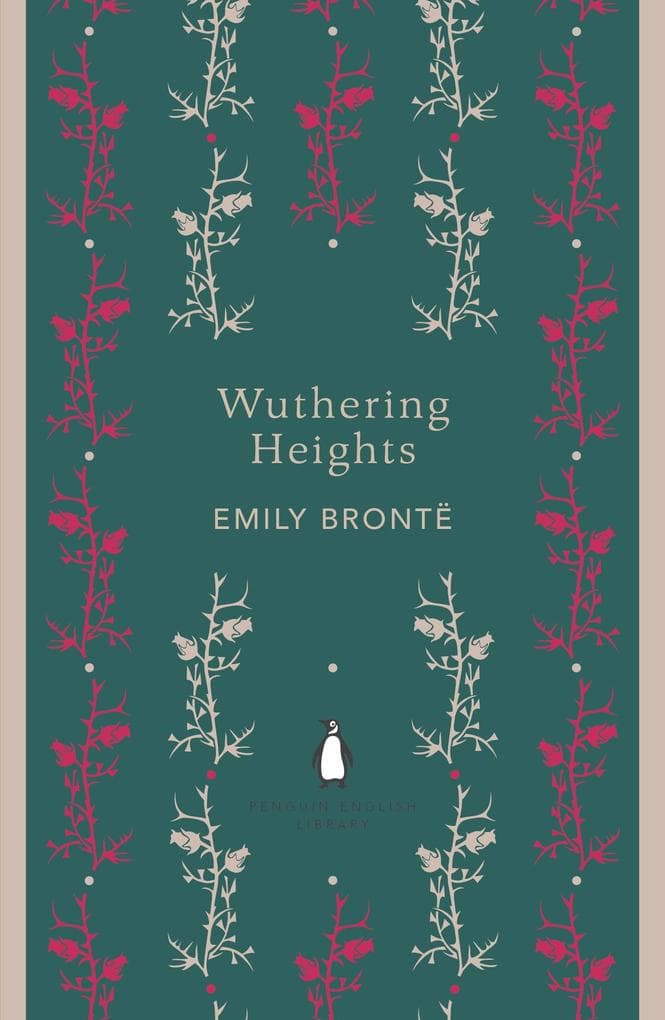
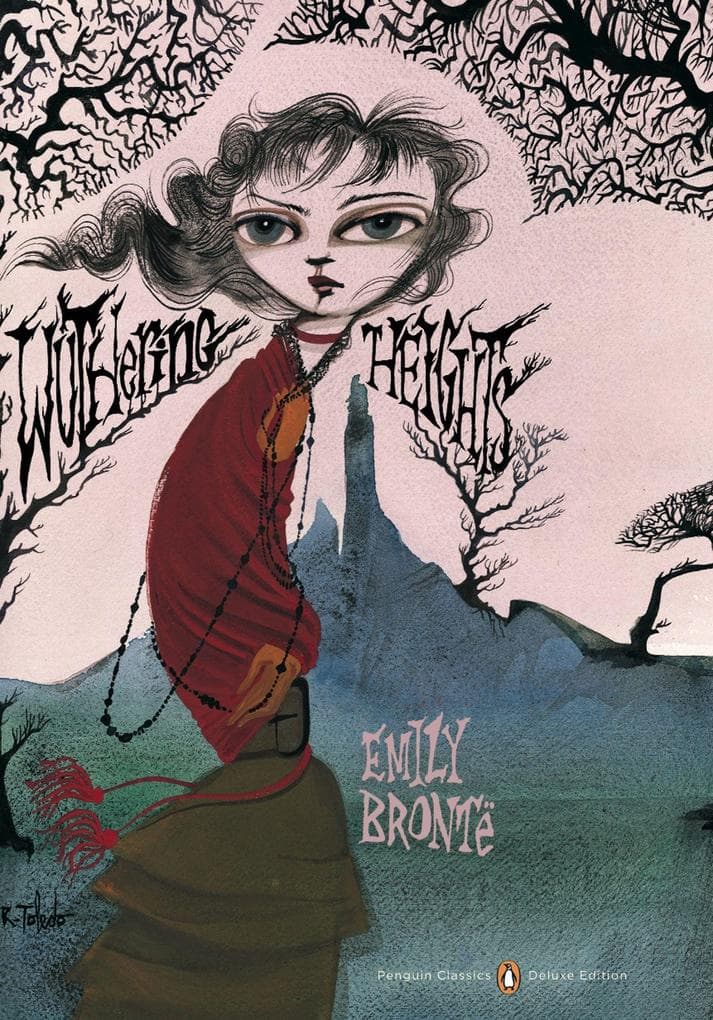
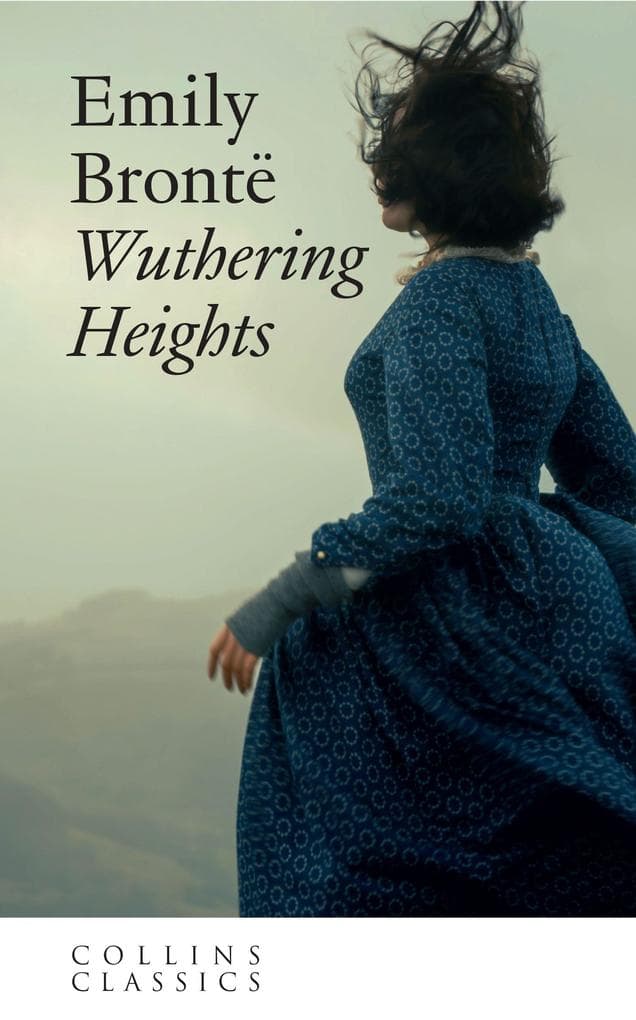
Emily Brontë was an English novelist and poet whose only novel, Wuthering Heights, became one of the most enduring and original works of nineteenth-century literature. Born in Thornton, Yorkshire, in 1818 and raised largely at Haworth Parsonage, she grew up in the remarkable Brontë family alongside Charlotte, Anne, and Branwell Brontë. The siblings created elaborate imaginary worlds in childhood and developed a literary culture of unusual intensity, shaped by isolation, reading, landscape, illness, and fierce imaginative independence.Published in 1847 under the pseudonym Ellis Bell, Wuthering Heights was initially met with confusion and controversy because of its violence, emotional extremity, unconventional structure, and resistance to moral simplification. Over time, however, the novel came to be recognised as a masterpiece of English fiction, admired for its Gothic power, psychological depth, stark poetry, and unforgettable setting on the Yorkshire moors. Emily Brontë also wrote poetry of great force and austerity, much of it concerned with nature, death, spirit, freedom, and inward life. She died in 1848 at the age of thirty, leaving behind a small but extraordinary body of work whose influence on classic fiction, Gothic literature, Victorian studies, and literary modernity remains profound.