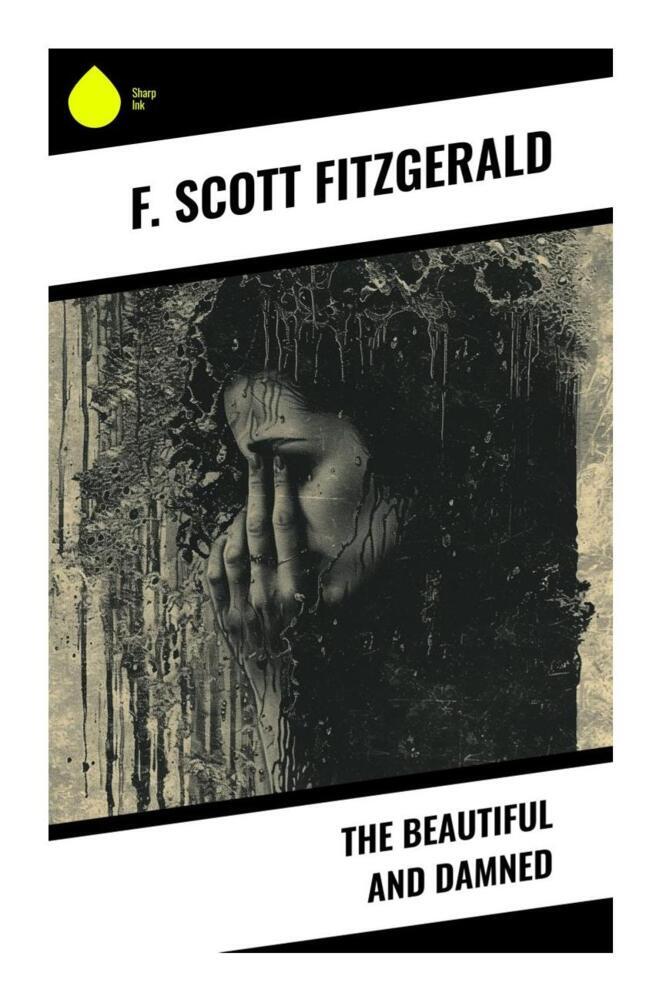
F. Scott Fitzgerald's The Beautiful and Damned (1922) is a mordant, lyrical study of youth, beauty, money, and moral exhaustion in the years surrounding the First World War. Centered on Anthony Patch, heir presumptive to a fortune, and his dazzling wife Gloria, the novel traces the corrosion of charm into idleness, resentment, and spiritual bankruptcy. Its style combines social satire, psychological realism, and Fitzgerald's characteristically luminous prose, situating it between the genteel novel of manners and the modernist anatomy of disillusionment. Fitzgerald wrote the book while still newly famous from This Side of Paradise and while living amid the very glamour he scrutinized. His marriage to Zelda Sayre, his fascination with wealth, and his uneasy awareness of artistic ambition compromised by celebrity all inform the novel's emotional texture. Anthony and Gloria are not simple self-portraits, but they refract Fitzgerald's intimate knowledge of aspiration, performance, and dissipating promise. This novel is recommended to readers interested in the darker underside of the Jazz Age. Less polished than The Great Gatsby but broader and more openly corrosive, it offers a searching portrait of privilege without purpose and love eroded by vanity.