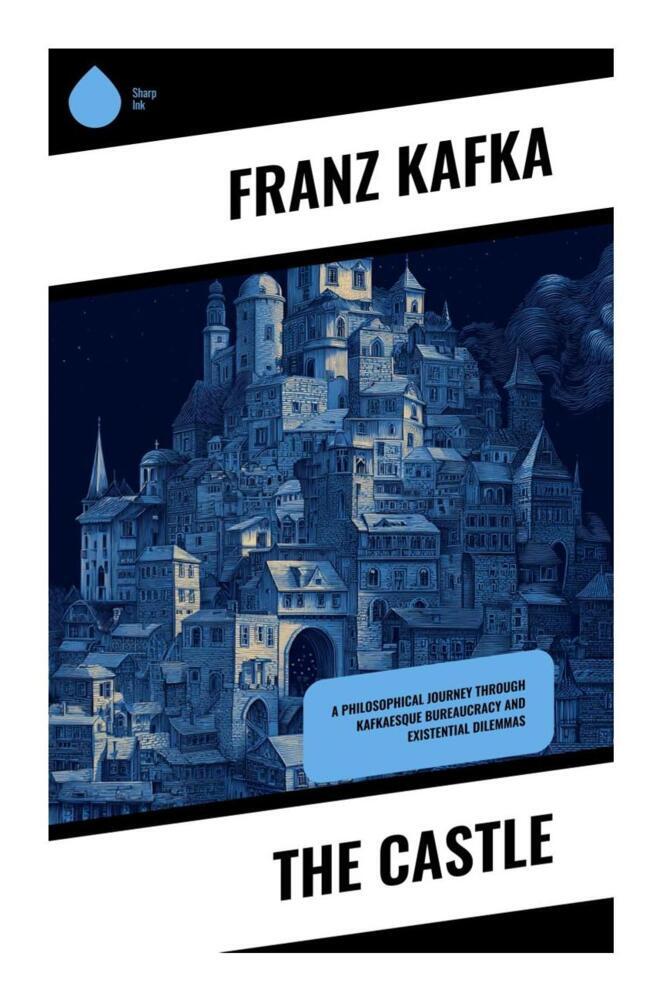
In The Castle, Franz Kafka stages the futile efforts of K. , a land surveyor summoned-or perhaps merely believing himself summoned-to a village governed by an inaccessible castle and its opaque bureaucracy. The novel's spare, exacting prose transforms ordinary procedures into metaphysical ordeals, while its unfinished structure intensifies its atmosphere of suspension. Written in the context of early twentieth-century modernism, it belongs beside Kafka's other great parables of alienation, authority, and interpretive uncertainty. Kafka, born in Prague in 1883 to a German-speaking Jewish family, lived amid overlapping cultural, linguistic, and administrative worlds of the Austro-Hungarian Empire. His work as an insurance official gave him intimate knowledge of bureaucratic systems, while his strained family relations, fragile health, and acute religious and existential anxieties sharpened his sense of exclusion. These pressures inform The Castle's vision of authority as both remote and eerily intimate. This novel is indispensable for readers interested in modernist fiction, philosophical literature, or the origins of the "Kafkaesque." It rewards patient attention, not with resolution, but with a profound encounter with uncertainty, longing, and the human need for recognition.