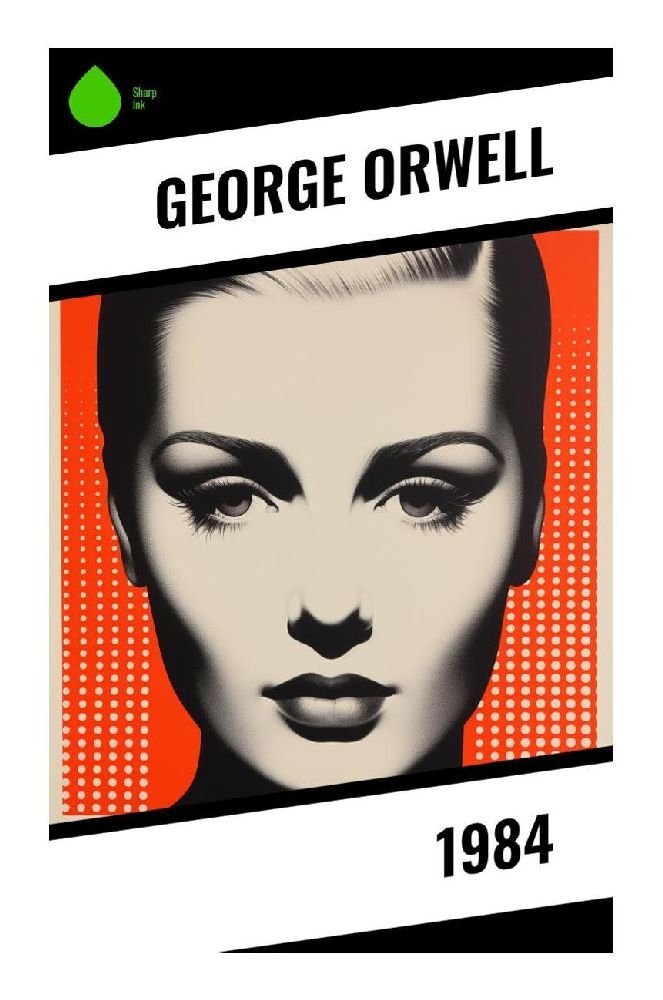
George Orwell's 1984 is a dystopian novel of extraordinary political and imaginative force, depicting Oceania, a totalitarian state governed by surveillance, propaganda, historical falsification, and the terrifying logic of Big Brother. Through Winston Smith's doomed rebellion, Orwell fuses stark realism with allegorical intensity, creating a prose style at once lucid, austere, and chilling. Published in 1949, the novel stands in the aftermath of fascism and Stalinism, while also extending the modernist and satirical traditions into a definitive warning about language, power, and the destruction of private truth. Orwell, born Eric Arthur Blair, brought to the novel a lifetime of political observation and moral unease. His experiences in imperial Burma, among the poor in Europe, and in the Spanish Civil War sharpened his hatred of authoritarianism and ideological dishonesty. Works such as Animal Farm and his essays on language and politics directly anticipate 1984's central concerns. This book is indispensable for readers interested in literature, political thought, and the fragility of freedom. Its relevance endures because it shows how tyranny begins not only with violence, but with the corruption of words, memory, and conscience.