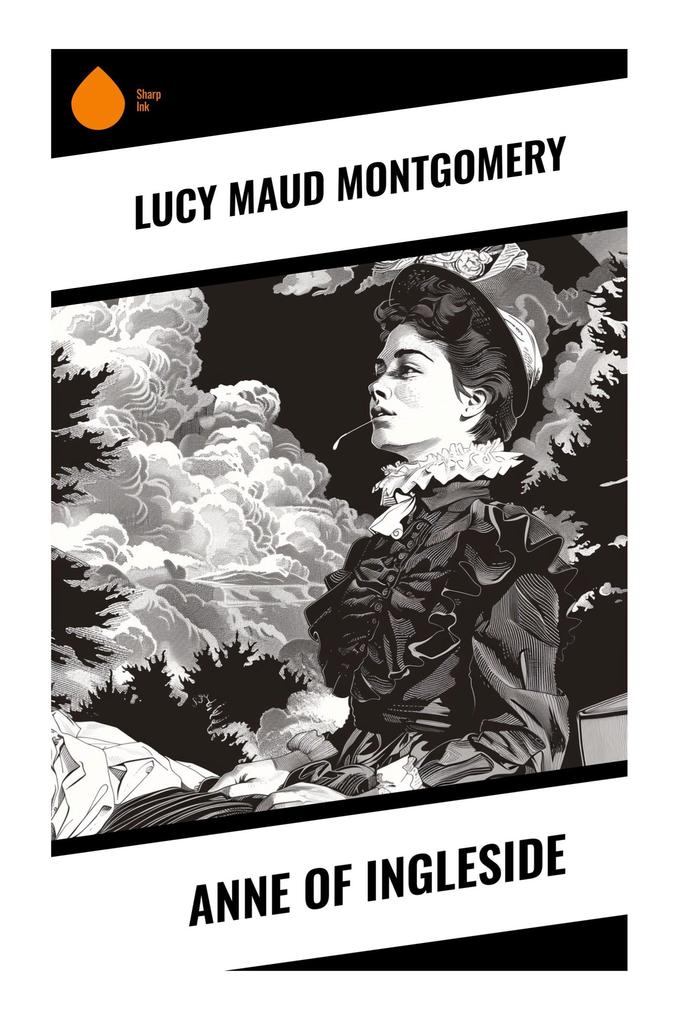
Anne of Ingleside returns to Anne Shirley in mature domesticity, now mistress of Ingleside, wife to Gilbert Blythe, and mother of a lively household. Structured as a sequence of warmly comic yet emotionally perceptive episodes, the novel attends to childhood fears, marital anxieties, village misunderstandings, and the imaginative vitality that survives adulthood. Published in 1939, it belongs to Montgomery's later revisiting of Avonlea's world, blending sentimental realism with pastoral comedy and a quietly modern concern for women's inner lives. Lucy Maud Montgomery drew upon the landscapes, social textures, and moral rhythms of Prince Edward Island, transforming local experience into an enduring fictional geography. By the time she wrote this installment, she was an established author shaped by fame, domestic obligation, personal sorrow, and a lifelong discipline of journaling. Her sensitivity to memory, motherhood, loneliness, and resilience informs Anne's middle years, giving the novel a reflective depth beneath its domestic charm. This book is warmly recommended to readers who value character-driven fiction, classic children's literature, and nuanced portraits of family life. It is especially rewarding for those following Anne's growth from orphaned dreamer to imaginative, compassionate matriarch.