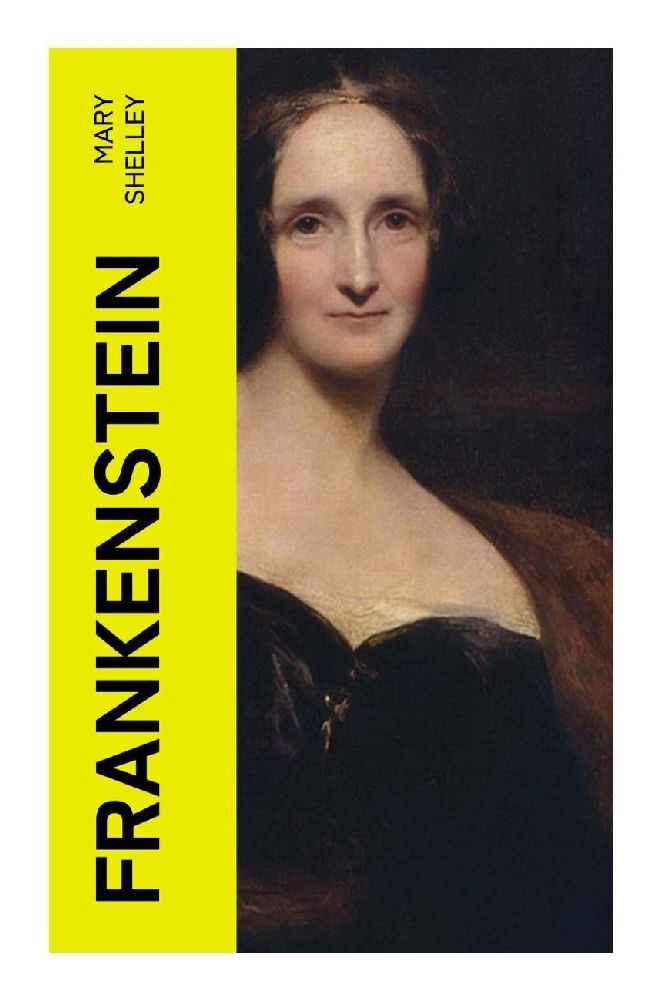
Mary Shelley's Frankenstein; or, The Modern Prometheus is a foundational work of Gothic fiction and early science fiction, intertwining epistolary narration, philosophical inquiry, and tragic romance. Through Victor Frankenstein's creation of a sentient being and his subsequent refusal of responsibility, the novel examines ambition, isolation, moral education, and the perils of knowledge severed from ethical care. Written in the shadow of Romanticism, it converses with Milton, Rousseau, and contemporary debates about galvanism and human perfectibility. Mary Shelley, daughter of the radical thinkers Mary Wollstonecraft and William Godwin, was uniquely positioned to imagine the novel's intellectual and emotional terrain. Composed when she was still a teenager during the famous 1816 gathering near Lake Geneva with Percy Shelley and Lord Byron, Frankenstein reflects her exposure to political philosophy, scientific speculation, bereavement, and questions of creation, parenthood, and social exclusion. This book is essential reading for anyone interested in literature's power to anticipate modern ethical dilemmas. Readers drawn to psychological depth, philosophical conflict, and haunting narrative design will find Frankenstein not merely a horror story, but a profound meditation on responsibility, sympathy, and what it means to be human.