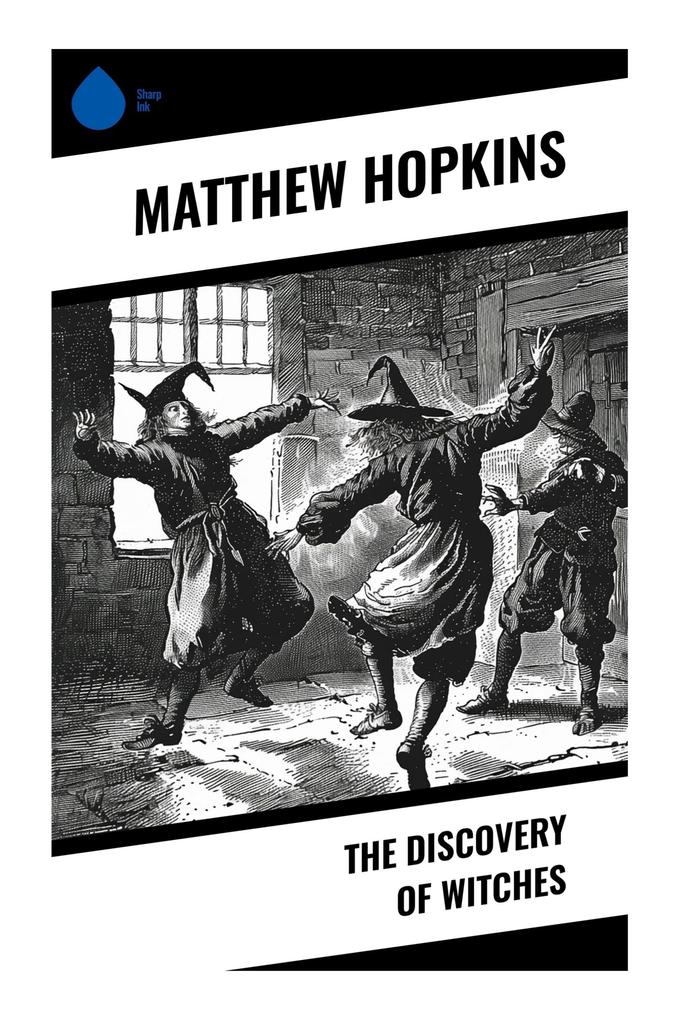
Matthew Hopkins's The Discovery of Witches is a terse, polemical pamphlet that presents itself as an answer to legal and theological "queries" about the detection of witchcraft. Written in the plain, combative prose of mid-seventeenth-century controversy, it defends practices such as watching, searching for "witch-marks," and eliciting confessions. Its significance lies not in literary ornament but in its chilling documentary value: it belongs to the demonological and juridical culture of Civil War England, where religious anxiety, local suspicion, and disrupted authority converged. Hopkins, notorious as the self-styled "Witchfinder General," operated chiefly in East Anglia during the 1640s, a period marked by political fragmentation and Puritan moral urgency. His experiences in interrogations and prosecutions directly shaped the tract, which attempts to justify his methods against growing skepticism. The book thus reveals both Hopkins's self-fashioning as a public servant and the dangerous logic by which fear could be made to resemble evidence. This work is recommended to readers of early modern history, legal culture, witchcraft studies, and religious polemic. Read critically, it is an indispensable primary source: disturbing, revealing, and essential for understanding how persecution was rationalized in print.