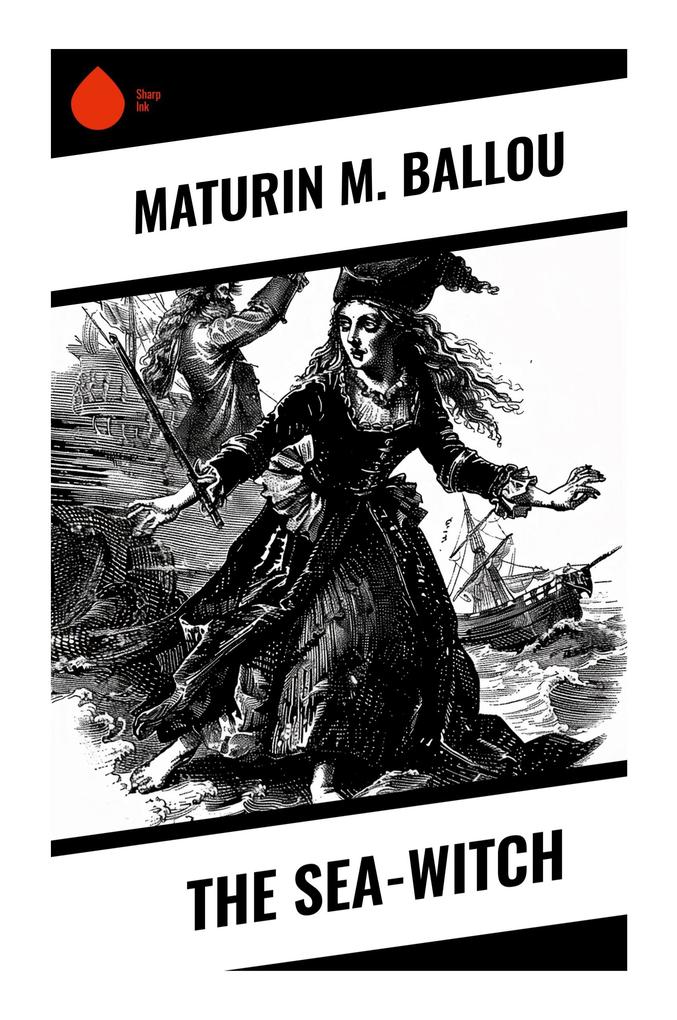
The Sea-Witch: or, The African Quadroon is a vigorous antebellum sea romance that entwines maritime adventure, sentimental intrigue, and the moral crisis of the Atlantic slave trade. Ballou's narrative moves with the pace of popular serial fiction: storms, disguises, pursuit, and revelations are rendered in a direct, theatrical prose suited to mid-nineteenth-century readers. In literary context, it belongs beside the nautical romances descended from Cooper, yet its setting on the "Slave Coast" gives the tale a sharper political resonance. Maturin M. Ballou, a Boston editor, publisher, and prolific man of letters, was deeply immersed in the expanding world of American periodical culture. His work in illustrated papers, popular magazines, and later travel writing sharpened his sense of what contemporary readers desired: movement, exotic settings, moral conflict, and emotional immediacy. The book reflects both his commercial instincts and the reform-minded atmosphere of pre-Civil War America. This novel is recommended to readers interested in maritime fiction, abolition-era popular literature, and the ways sensational romance could carry social commentary. Though shaped by the conventions and assumptions of its century, The Sea-Witch remains a revealing, energetic artifact of American literary culture before the Civil War.