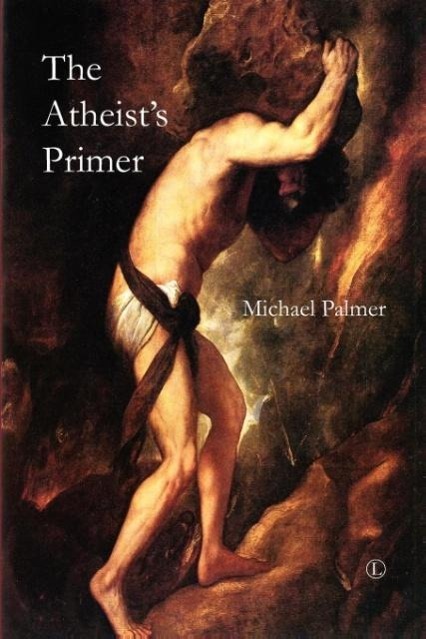
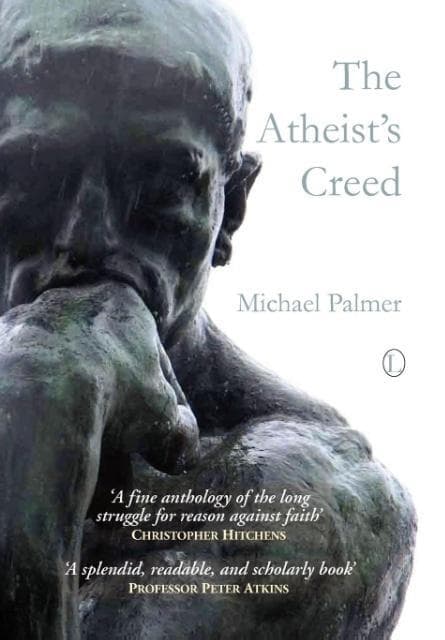
Adapted from the author's textbook The Atheist's Creed, this is a comprehensive guide to the philosophical arguments for atheism for the general reader.
Arguing that a 'new atheism', driven largely by Darwinian objections to God's existence, has limited debate to a scientific framework, The Atheist's Primer reinstates the importance of philosophy in the debate about God's existence and in so doing recovers the distinguished philosophical tradition of atheism, which Dawkins and others have obscured.
Beginning with the Ancient Greeks and culminating with Hume, Michael Palmer provides the philosophical framework on which scientific objections to theism are hung. He explicates and comments on the thinking behind atheism, discussing issues such as evil, morality, miracles, and the motivations for belief. Although delving deeply into epistemological concerns, emphasising the disheartening limitations of man's capacity for knowledge and our materialist dependencies, Palmer concludes on a positive note arguing - alongside Nietzsche, Marx and Freud and many others - that happiness and personal fulfilment are to be found in the very materialism that religious belief rejects.
An eloquent abridgment of his previous work, The Atheist's Creed, which was aimed at the educational market, The Atheist's Primer is written in fluent and concise prose, making it an accessible introduction for the general reader.
Inhaltsverzeichnis
Chapter One: The Meaning of Atheism
1. Atheism: A Definition
2. Atheism and Agnosticism
3. Guide to Further Reading
Chapter Two: The Origins of Atheism
1. The Age of the Sophists
2. Epicureans & Sceptics
3. The Christian Era and the Re-emergence of religious doubt.
4. Guide to Further Reading
Chapter Three: Two Arguments for God's Existence: An Atheistic Critique
1. Introduction
2. The Arguments from Cause and Design
3. The Atheistic Critique
4. Guide to Further Reading
Chapter Four: The Problem of Evil
1. Introduction
2. The Logical (or Deductive) Argument from Evil
3. The Evidential (or Inductive) Argument from Evil
4. Guide to Further Reading
Chapter Five: Morality and Religion
1. Introduction
2. Criticisms of the Moral Argument
3. Life After Death and Morality
4. Nietzsche's Critique of Religious Morality
5. Guide to Further Reading
Chapter Six: Miracles
1. The Meaning of 'Miracle'
2. The Critique of Miracles: Their Impossibility
3. The Critique of Miracles: Their Improbability
4. Guide to Further Reading
Chapter Seven: The Motivations of Belief
1. Introduction
2. The Impulse to Believe