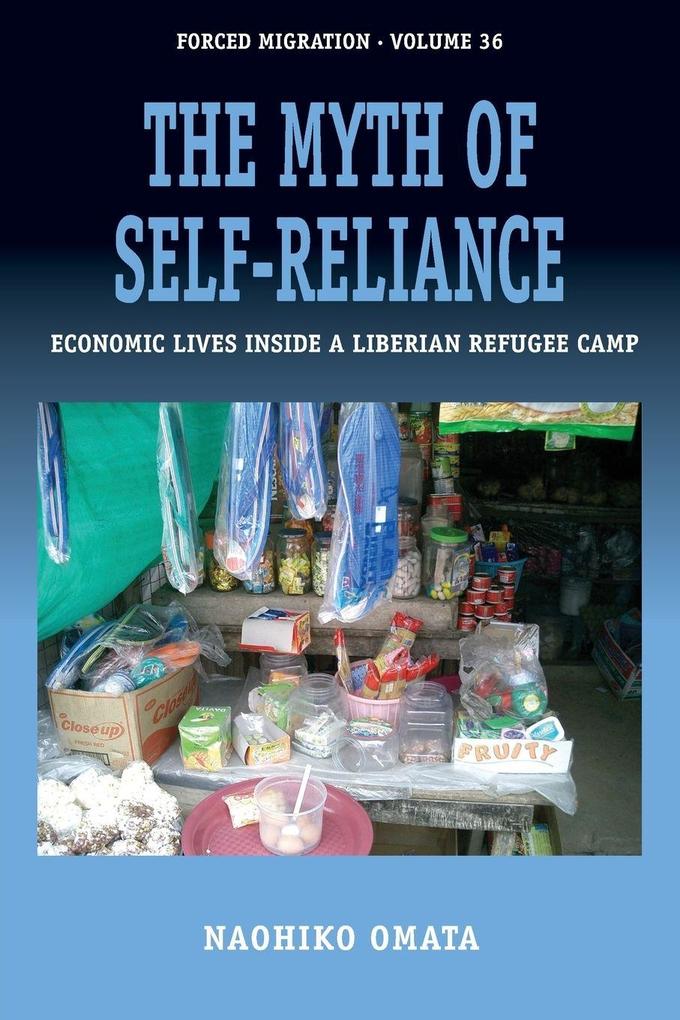
For many refugees, economic survival in refugee camps is extraordinarily difficult. Drawing on both qualitative and quantitative research , this volume challenges the reputation of a 'self-reliant' model given to Buduburam refugee camp in Ghana and sheds light on considerable economic inequality between refugee households.By following the same refugee households over several years, The Myth of Self-Reliance also provides valuable insights into refugees' experiences of repatriation to Liberia after protracted exile and their responses to the ending of refugee status for remaining refugees in Ghana.
Inhaltsverzeichnis
List of Illustrations
Acknowledgements
List of Abbreviations
Maps
Introduction: Buduburam: An Exemplary Refugee Camp?
Chapter 1. 'Guests Who Stayed Too Long': Refugee Lives in a Protracted Exile
Chapter 2. Economic Lives in Buduburam
Chapter 3. The Household Economy in the Camp
Chapter 4. Roots of Economic Stratification: A Historical Perspective
Chapter 5. Repatriation to Liberia: The 'Best' Solution for Refugees?
Chapter 6. The 'End' of Refugee Life? When Refugee Status Ceases
Chapter 7. Developing a Better Understanding of Livelihoods, Self-Reliance and Social Networks in Forced Migration Studies
Epilogue: Buduburam in 2015
References
Index