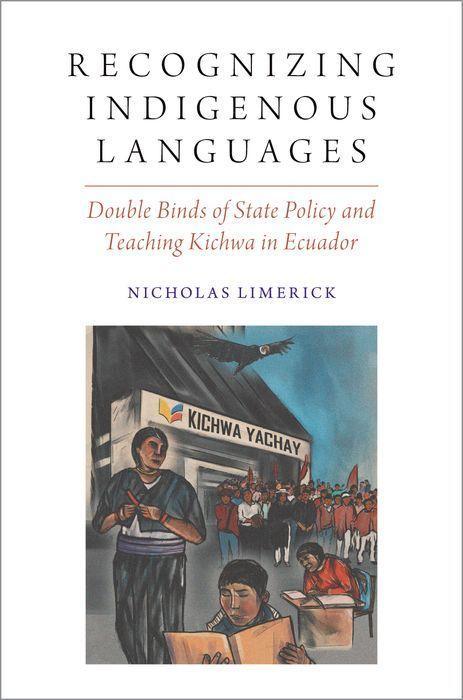
This book looks at state governance and communication as related to Kichwa language reclamation and schooling in Ecuador including the benefits and unplanned outcomes of these cultural politics and policies. Drawing in-depth ethnographic research with state actors and mediators, including planners, linguists, and teachers, Nicholas Limerick details the process of adapting Indigenous language use for the very institutions that have suppressed it.
Inhaltsverzeichnis
- Part I
- Introduction
- Chapter 1: Introducing Double Binds of State Institutions and Linguistic Recognition
- Part II
- Chapter 2: The Intercultural Era: Kichwa, Literacy, and Schooling in National Politics and Policy
- Chapter 3: Unified Kichwa? Unions, Divisions, and Overlap in Language Standardization
- Chapter 4: Promise and Predicament as Professionals
- Part III
- Chapter 5: Translating the Law to Kichwa
- Chapter 6: Speaking for a State: How and Whom to Greet?
- Chapter 7: Modeling Intercultural Citizenship Through Language Instruction
- Conclusions
- Notes on Transcription
- References
- Acknowledgments
- Notes