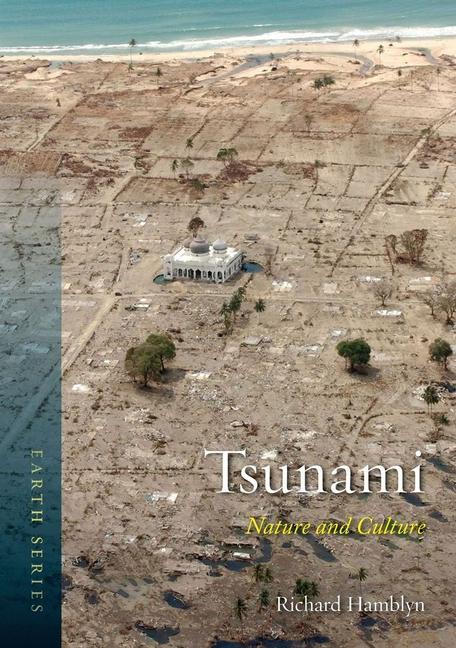
Tsunamis - ferociously dangerous sea waves - have caused widespread destruction to countries, populations and natural landscapes since antiquity. Crashing upon land with the entire weight of an ocean behind them, tsunamis cause unimaginable havoc and are stark reminders of the uncontrollable chaos our planet can unleash.
A major tsunami, such as the devastating one that struck the coast of Japan in 2011, can utterly overwhelm an area - not just with the sheer volume of water but also in terms of the economic, social and political consequences in its aftermath. Although the most destructive tsunamis are rare, smaller ones are familiar incidents in many coastal regions around the world. Despite this, however, our understanding of tsunamis is minimal: their triggers, from undersea earthquakes to nuclear weapons testing, have only been studied scientifically in the last 50 years.
In Tsunami, Richard Hamblyn explores these treacherous, remorseless sea surges: how they happen, what makes them so powerful and what can be done to safeguard our most vulnerable coastlines. Detailing their cultural significance in tsunami-prone places such as Japan, Hawaii and Chile, the book also considers what tsunamis mean in the more seismically stable West, where the waves reign in popular culture and blockbuster movies but are rarely, if ever, experienced first-hand. From the legend of Atlantis to the Indian Ocean tsunami of 2004, this book is a cultural, historical and scientific guide to one of the worlds most spectacular and deadly natural phenomena.
When the earthquake that struck the Solomon Islands in 2013 produced tsunami waves that damaged the country's infrastructure, it was one in a recent string of reminders of the devastating effects these ferocious waves can have. From the 2011 tsunami in Japan to the giant waves that killed people near the Indian Ocean in 2004, these destructive events can utterly overwhelm an area not just with water but economic, social, and political devastations. But as Richard Hamblyn demonstrates in this cultural, historical, and scientific engagement with these spectacular natural phenomena, tsunamis remain misunderstood--their triggers, from undersea earthquakes to nuclear weapons testing, have only begun to be studied scientifically in the last fifty years. <p/>Tsunami explores how these treacherous sea-surges happen, what makes them so powerful, and what can be done to safeguard vulnerable coastlines. Hamblyn details their cultural significance in tsunami-prone places such as Japan, Hawaii, and Chile, while also considering their importance in the more seismically stable West, where their appearances are limited to popular culture and blockbuster films. From the legend of Atlantis to the present day, this book casts new light on these deadly waves.