""Ye who believe in affection that hopes, and endures, and is patient,
Ye who believe in the beauty and strength of woman's devotion,
List to the mournful tradition still sung by the pines of the forest;
List to a Tale of Love in Acadie, home of the happy.""
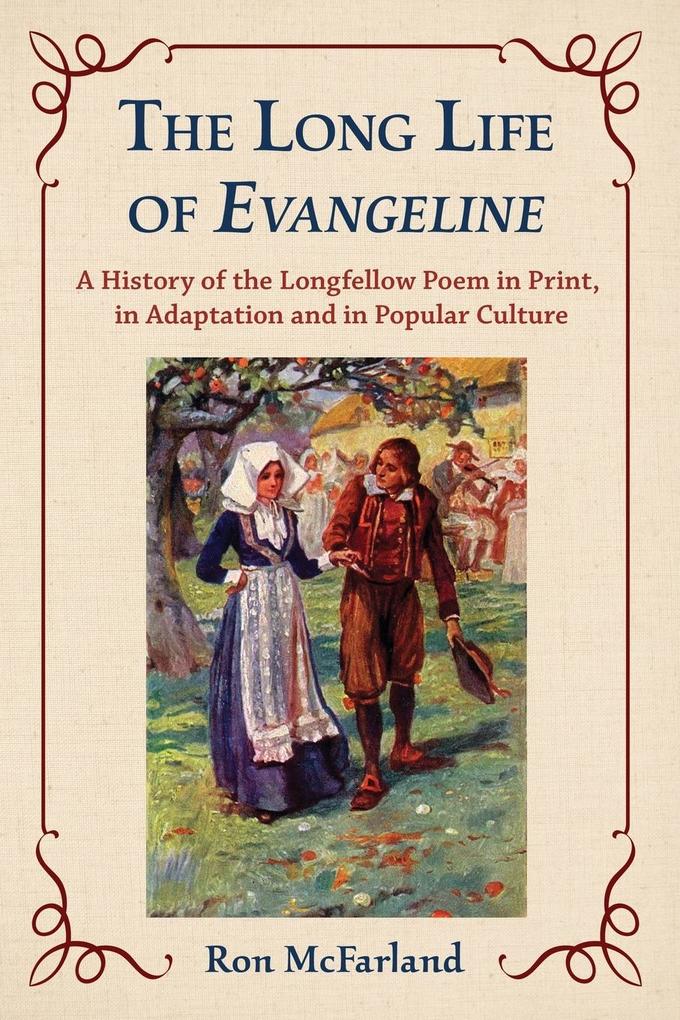
Generations of readers have now accepted the call of Henry Wadsworth Longfellow to join his heroine Evangeline in her search for Gabriel, the lover she was separated from during the expulsion of the Acadians from Nova Scotia and New Brunswick. This critical history of the book-length poem describes its reception in the weeks and months that followed the 1847 release, explains its continued popularity down through the years, and offers insights on its interpretation and relevance today.
Inhaltsverzeichnis
Table of Contents
Acknowledgments
Preface: Evangeline's Quiet Heroism
A Longfellow Chronology
1. Evangeline and the Popularity of Poetry in the United States
2. The Contexts of Longfellow's Evangeline
3. Evangeline Goes to School
4. Evangeline Illustrated
5. Evangeline on Stage, in Song, and on the Silver Screen
6. Reflecting on Evangeline
Bibliography
Index