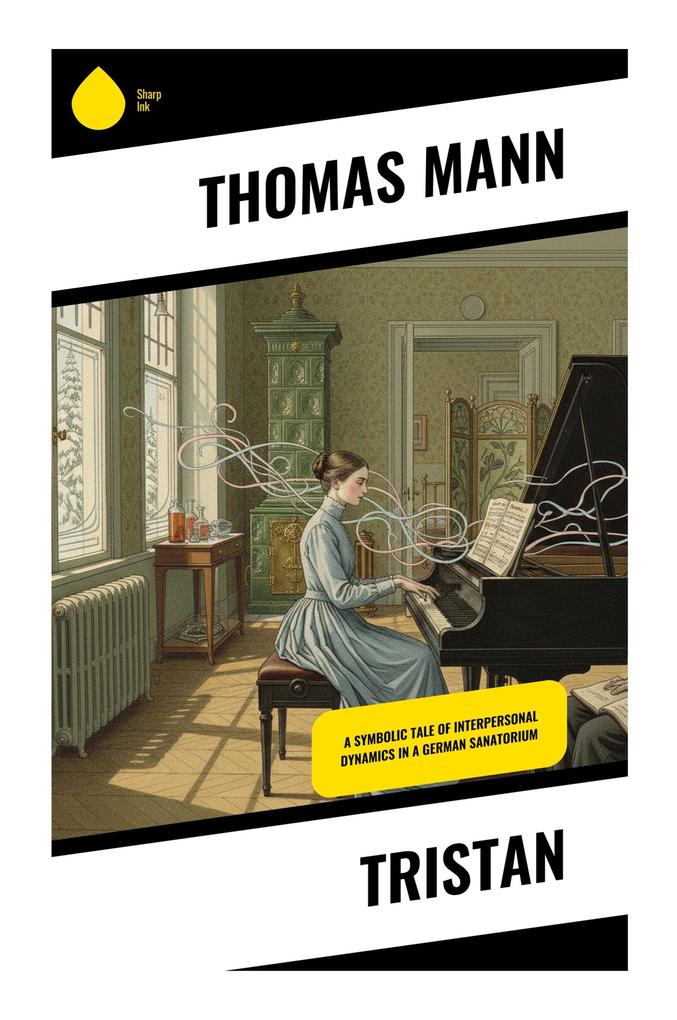
Thomas Mann's "Tristan" is a finely wrought novella set in the sanatorium Einfried, where illness, aestheticism, and bourgeois respectability converge with ironic precision. Through the encounter between the ethereal Gabriele Klöterjahn and the decadent writer Detlev Spinell, Mann reworks the Wagnerian myth of Tristan and Isolde into a modern study of art's seductive but potentially destructive power. Its polished, allusive prose and coolly satirical tone place it within European fin-de-siècle literature, especially the tradition that examines decadence, morbidity, and the uneasy relation between life and art. Mann, born in Lübeck in 1875, was deeply shaped by the tensions between mercantile practicality and artistic inwardness-tensions that animate much of his early fiction. His fascination with Wagner, Nietzsche, Schopenhauer, and bourgeois culture informs "Tristan," as does his recurring concern with the artist as both visionary and parasite. Written during the period of "Buddenbrooks," the novella distills many of Mann's central preoccupations into a compact comic-tragic form. Readers interested in psychological nuance, musical symbolism, and elegant irony will find "Tristan" indispensable. It is brief, intellectually rich, and exemplary of Mann's ability to turn cultural myth into penetrating modern fiction.