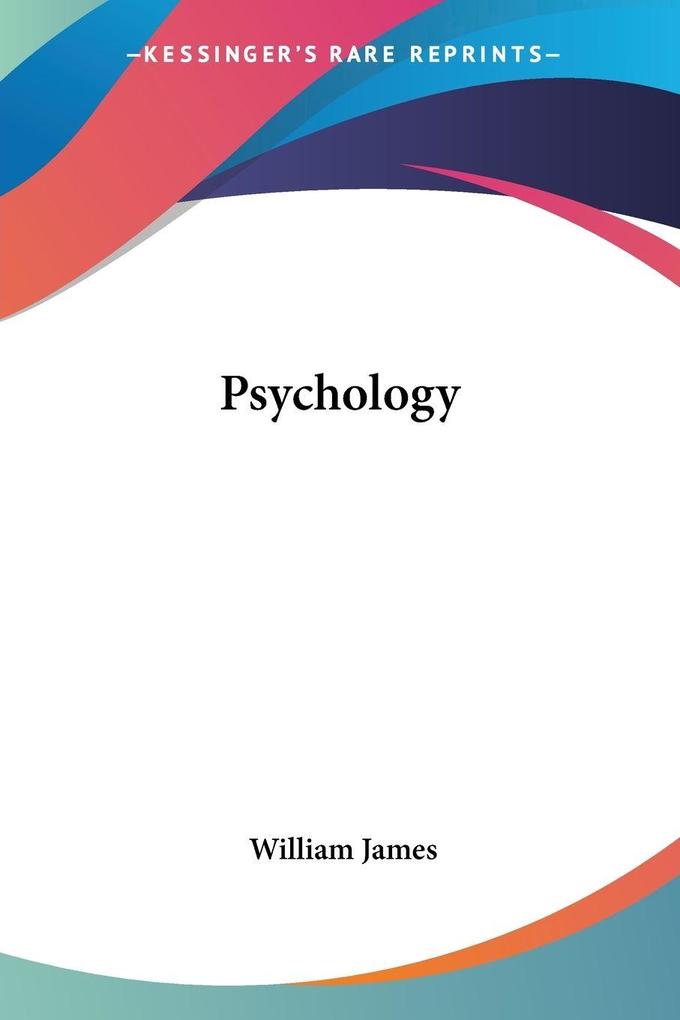
William James was a philosopher and psychologist known for developing pragmatic philosophy and advancing the study of religious and conscious experience, his upbringing in an intellectually active household encouraged broad reading, travel, and debate. Academic training moved through science and medicine before settling into philosophy and psychology, shaping an approach grounded in observation and lived experience. Teaching career included major university appointments where lectures influenced generations of students and thinkers. Writing explores belief, perception, freedom, and the practical value of ideas, often connecting abstract theory with personal experience. Style combines clarity with exploratory argument, inviting readers to test ideas through consequences rather than authority. Major works address consciousness, faith, choice, and plural perspectives, forming a bridge between psychology and philosophy. Intellectual legacy rests on defending experiential truth, open systems of thought, and the legitimacy of diverse viewpoints in understanding reality.