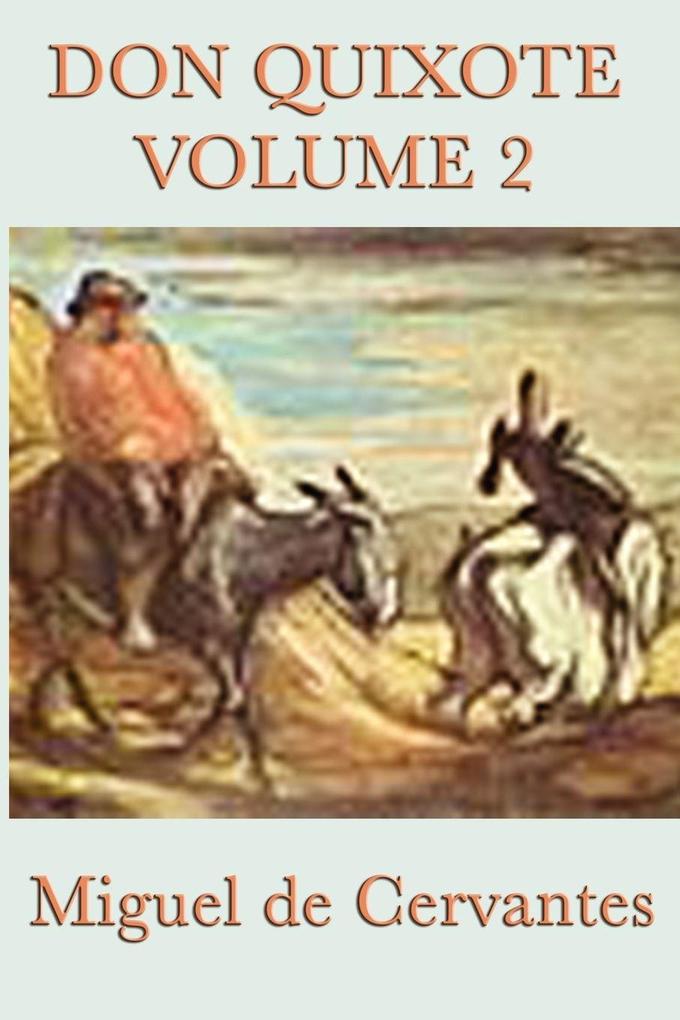
Miguel de Cervantes Saavedra was a Spanish novelist, poet, playwright, and soldier whose life was almost as eventful as the fiction that made him famous. He was born in 1547 in Alcalá de Henares, Spain, and lived through a turbulent period of Spanish imperial power, religious conflict, literary experimentation, and social change. As a young man, Cervantes served as a soldier and fought in the Battle of Lepanto in 1571, where he was badly wounded and permanently lost the use of his left hand. On his way back to Spain, he was captured by Barbary pirates and spent five years as a prisoner in Algiers before being ransomed.After returning to Spain, Cervantes struggled for decades to make a secure living. He worked as a tax collector and purchasing agent, endured financial reversals, legal troubles, and periods of imprisonment, and continued writing plays, poems, pastoral fiction, short stories, and novels. His career did not follow the path of easy literary success. Much of the power of Don Quixote comes from that hard-won understanding of ambition, failure, dignity, absurdity, and endurance.Cervantes published the first part of Don Quixote in 1605 and the second part in 1615, only a year before his death. Together, the two volumes transformed European fiction. What began as a satire of chivalric romances became a far richer work: a comic adventure, a study of friendship, a meditation on illusion and reality, and one of the earliest and greatest examples of the modern novel. Through Don Quixote and Sancho Panza, Cervantes created two of the most enduring characters in world literature, figures whose humor, pathos, and humanity continue to shape how readers understand storytelling itself.