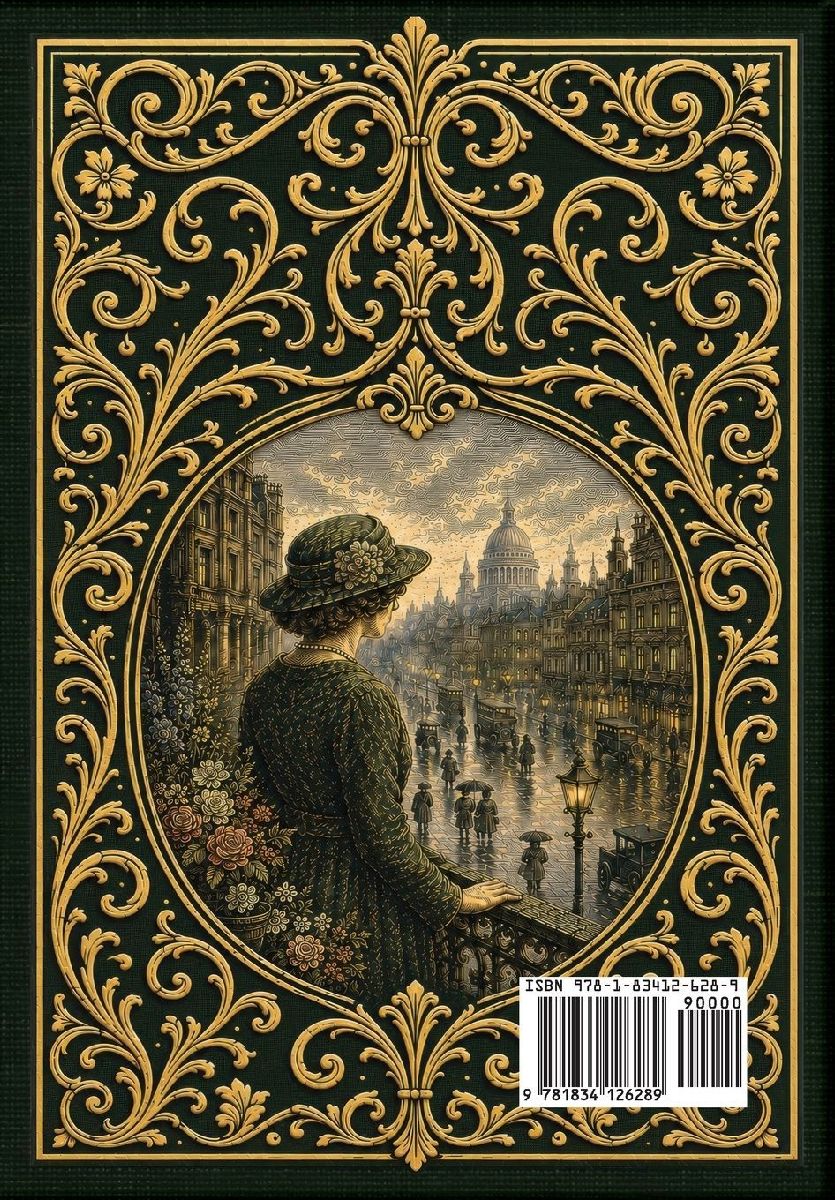
Virginia Woolf reshaped fiction by turning inward, capturing the flow of thought and feeling with striking originality. Born in 1882 in London, she became a central figure in modernist literature and the Bloomsbury Group. A belief in artistic freedom and the importance of inner life shaped her philosophy, often challenging traditional forms and perspectives.Stream of consciousness and emotional nuance define the heart of her work. In works such as Mrs Dalloway, To the Lighthouse, and A Room of One's Own, she explored time, memory, identity, and the role of women in society. Fluid narratives reveal how perception and experience shape reality in subtle and powerful ways.Enduring influence has made her one of the most important voices in modern literature. Writers and thinkers have drawn inspiration from her innovations in style and her exploration of gender and consciousness. Today, her work remains widely read, valued for its depth, beauty, and lasting impact on literary form.