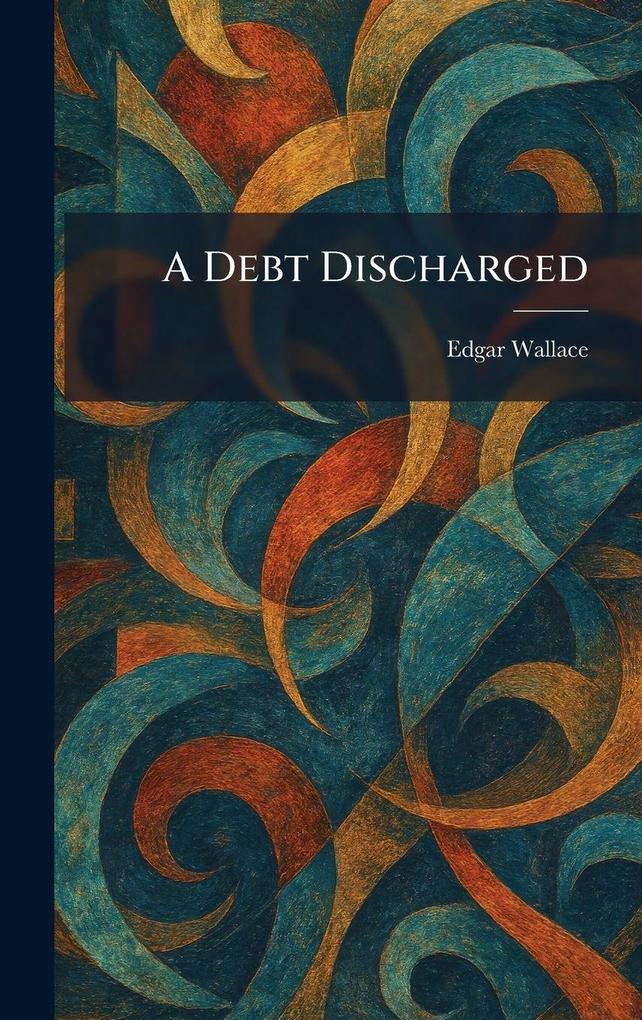
"A Debt Discharged" is a gripping crime thriller by the prolific master of mystery, Edgar Wallace. The story plunges readers into a world of high-stakes deception and financial intrigue, centered on a complex plot involving forgery and hidden motives. When a master engraver becomes entangled in a web of criminal activity, the narrative unfolds with the signature pace and suspense that defined Wallace's legendary career.
As the protagonist navigates a landscape filled with dangerous secrets and clever adversaries, the work explores themes of justice, loyalty, and the literal and figurative debts that individuals owe to one another. Wallace's sharp dialogue and intricate plotting keep the tension high as the characters race against time to uncover the truth behind a series of daring crimes. This classic mystery showcases the author's ability to blend urban grit with sophisticated puzzles, offering a compelling look at the criminal underworld of the early twentieth century.
Ideal for fans of vintage detective fiction and fast-moving suspense, "A Debt Discharged" remains a quintessential example of the British thriller genre. The work's enduring appeal lies in its clever construction and Wallace's unparalleled talent for crafting stories that remain unpredictable until the very last page.
This work has been selected by scholars as being culturally important, and is part of the knowledge base of civilization as we know it. This work was reproduced from the original artifact, and remains as true to the original work as possible. Therefore, you may see the original copyright references, library stamps (as most of these works have been housed in our most important libraries around the world), and other notations in the work.
This work is in the public domain in the United States of America, and possibly other nations. Within the United States, you may freely copy and distribute this work, as no entity (individual or corporate) has a copyright on the body of the work.
As a reproduction of a historical artifact, this work may contain missing or blurred pages, poor pictures, errant marks, etc. Scholars believe, and we concur, that this work is important enough to be preserved, reproduced, and made generally available to the public. We appreciate your support of the preservation process, and thank you for being an important part of keeping this knowledge alive and relevant.