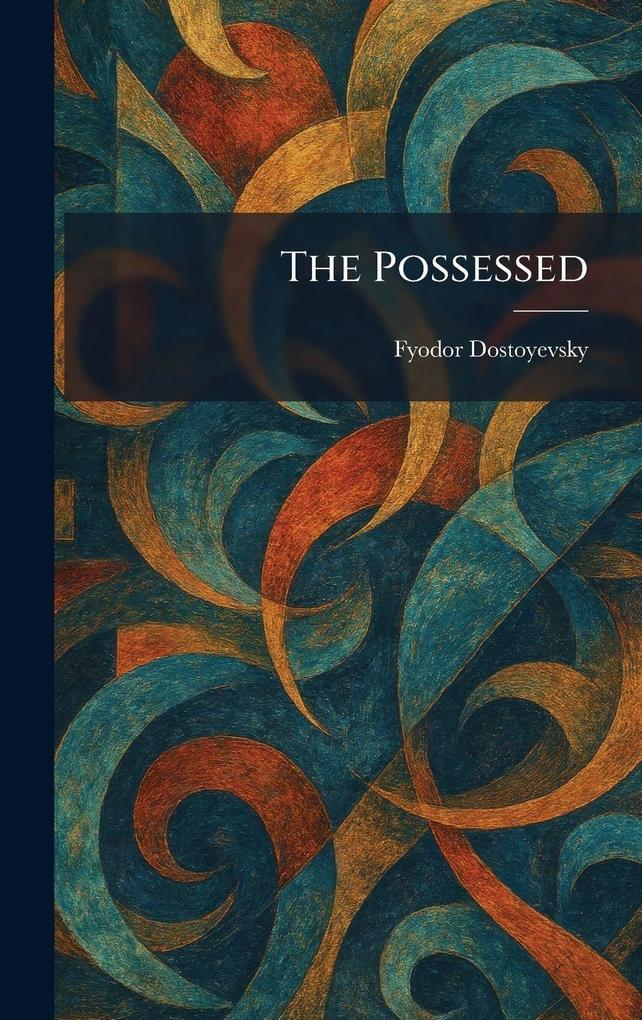
"The Possessed" is a towering achievement in world literature, serving as a chillingly prophetic exploration of the destructive forces of nihilism and political extremism. Set in a provincial Russian town, the narrative follows a cell of revolutionaries whose radical ideals lead to a spiraling descent into violence, betrayal, and chaos. At the heart of the story are two enigmatic figures: the charismatic yet morally hollow Nikolai Stavrogin and the manipulative, cold-blooded Pyotr Verkhovensky. Their influence over a diverse group of intellectuals and social climbers exposes the fragility of the societal fabric and the dark depths of the human psyche.
Fyodor Dostoyevsky expertly weaves a complex tapestry of philosophical debate and psychological suspense, questioning the consequences of abandoning spiritual and moral foundations in favor of absolute secularism. The work is both a scathing social satire and a profound tragedy, capturing the tensions of a society on the brink of revolution. With its rich characterizations and intense ideological conflicts, "The Possessed" remains an essential study of the intersection between personal identity and collective obsession. It stands as one of the most significant political novels ever written, offering timeless insights into the nature of power, belief, and the human condition.
This work has been selected by scholars as being culturally important, and is part of the knowledge base of civilization as we know it. This work was reproduced from the original artifact, and remains as true to the original work as possible. Therefore, you may see the original copyright references, library stamps (as most of these works have been housed in our most important libraries around the world), and other notations in the work.
This work is in the public domain in the United States of America, and possibly other nations. Within the United States, you may freely copy and distribute this work, as no entity (individual or corporate) has a copyright on the body of the work.
As a reproduction of a historical artifact, this work may contain missing or blurred pages, poor pictures, errant marks, etc. Scholars believe, and we concur, that this work is important enough to be preserved, reproduced, and made generally available to the public. We appreciate your support of the preservation process, and thank you for being an important part of keeping this knowledge alive and relevant.