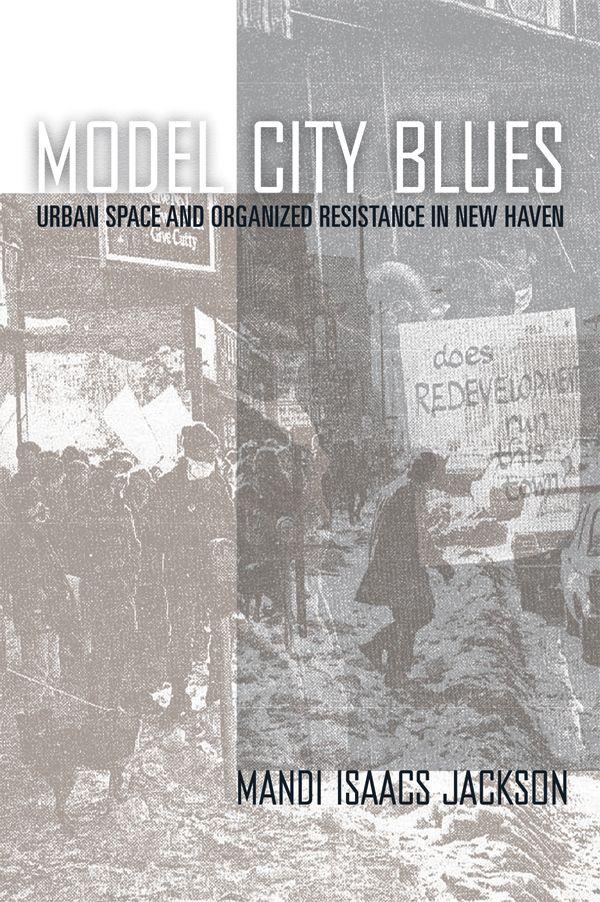
"Model City Blues" tells the story of how regular people, facing a changing city landscape, fought for their own model of the OC ideal cityOCO by creating grassroots plans for urban renewal. Filled with vivid descriptions of significant moments in a protracted struggle, it offers a street-level account of organized resistance to institutional plans to transform New Haven, Connecticut in the 1960s. Anchored in the physical spaces and political struggles of the city, it brings back to center stage the individuals and groups who demanded that their voices be heard. By reexamining the converging class- and race-based movements of 1960s New Haven, Mandi Jackson helps to explain the city's present-day economic and political struggles. More broadly, by closely analyzing particular sites of resistance in New Haven, "Model City Blues" employs multiple academic disciplines to redefine and reimagine the roles of everyday city spaces in building social movements and creating urban landscapes.
Inhaltsverzeichnis
Introduction; 1: 'The Ghosts of Oak Street's Paved Ravines:' The Oak Street Project, the Construction of Consensus, and the Birth of the Slumless City; 2: On Dixwell Avenue: Civil Rights and the Street; 3: The Hill Neighborhood Union and Freedom Summer North: Citizen Participation and Movement Spaces in a 'Project Area'; 4: Maximum Feasible Urban Management: The "Automatic" City, and the Hill Parents Association; 5: Renewal, Riot, and Resistance: Reclaiming 'Model Cities'; 6: The City and the Six-Lane Highway: Bread & Roses and Parking Garages; 7: Downtown Lives and Palaces: From a 'Space of Freedom to a 'Space of Exclusion'; Conclusion: "The After"